understand
unlocking explosive growth: EU and UK Alcohol-Free Spirit Market Rises – Don’t Miss Out!
Section 1: The Current Landscape
In the world of drinks there is a subtle revolution being conducted, and it’s changing the way we experience our drinks. Traditional norms of alcoholic beverages dominating social gatherings is changing and this is especially evident in the European Union (EU) and the United Kingdom (UK). Non-alcoholic or alcohol-free spirits are carving a niche for themselves in the market, and their growth rate is simply amazing.
A booming market
The market of alcohol-free spirits in the EU and the UK is witnessing unprecedented growth. There is no longer a time when those who do not drink or are looking for healthier options were limited to sparkling water or soft drinks with sugar. Today, a wide array of alcohol-free liquors fill the shelves of bars and supermarkets catering to a population who wants sophistication but without drunkenness.
Market Size and Trends
To comprehend the magnitude of this shift, look at some figures. Recent market studies have shown this: the EU as well as the UK alcohol-free spirit market is set to get a valuation of [bold]a.X billion[/bold] in [bold]20XX[/bold]. This growth is not an anomaly; it’s due to the evolution of consumer habits.
the Key Participants as well as Their Contributions
The market’s ascent owes much to the trailblazing efforts of key players like [bold]Seedlip[/bold], [bold]Borrago[/bold], and [bold]Lyre’s[/bold], among others. These companies have taken the art of crafting alcohol-free spirits to new heights by creating beverages that evoke all the traditional spirit characteristics without the alcohol content.
Trends in Consumer Behavior and Brands Emerging
The rising popularity of alcohol-free spirits is inextricably linked to evolving consumer tastes. Today’s customers are more health-conscious, discerning, and socially aware. They are seeking out beverages that are aligned with their values. alcohol-free spirits match perfectly. Additionally, consumers are looking for distinctive, palate-pleasing alternatives to traditional alcohol-based drinks.
As consumer demand has surged and new brands have sprung up to cater to this growing market. These brands are distinguished by authenticity, ingenuity, as well as a commitment to quality.
Unusual Possibilities
This rapid expansion, triggered by the changing behavior of consumers offers exciting opportunities for businesses seeking to tap this EU and UK the alcohol-free spirits markets. The possibilities are endless, but to harness it effectively, one must first understand the motives to this astonishing transformation.
In the next segment We’ll take a look at the driving factors, examining the reasons behind the rise of spirits that are alcohol-free and what the implications are for businesses looking to get their feet wet in this exciting space.
In Section 1 in Section 1, we’ve laid out the basis by introducing the current situation of both the EU and UK the alcohol-free spirit market. We’ve covered the market’s size important players, its structure and changes in the preferences of customers. In Section 2, we will deep dive into the factors that drive this market’s astonishing growth.

What’s driving the explosive growth of EU as well as UK Alcohol-Free Spirit Market?
2. Unveiling the Forces Driving Forces
In our previous article we went on an adventure through the rapidly growing industry of alcohol-free spirit in countries like the EU in the EU and UK. This market’s explosive growth paints the picture of its potential, but how do we drive this change? In this segment we’ll look into the driving factors behind this fast-growing industry.
1. Current Health and Wellness Issues
The boldHealth-conscious consumers are reconsidering their drink choices. Bold Concerns concerning the negative impacts of alcohol on the health of people have led people to search for alternatives that let them have a good time without compromising their overall health. Alcohol-free spirits are catering to the ever-growing population of drinkers by offering the best quality and safety option. Certain terms such as “low ABV” (alcohol by volume) and “zero-proof” have become buzzwords in the health and wellbeing spheres, signalling an important shift in consumer preferences.
2. Social Dynamics Changing Social Dynamics
As society evolves, so do our social dynamics. The old norms of heavy drinking as a major component of social gatherings are fading. Nowadays, people are choosing more diverse and inclusive events. Alcohol-free spirits let everyone enjoy the celebrations without feeling secluded. They foster a sense of inclusivity that aligns with the modern culture of socializing.
3. The rise of Mixology and Craft Cocktails
ItalicCraft Cocktail culture has brought the world to its knees. Italic The art of mixology has advanced beyond alcohol beverages, with bartenders and people who are interested in exploring the creativity of alcohol-free spirits. Delicious and complex cocktails are made, changing what a beverage can be. The variety of these spirits allows mixologists to play with a diverse range of tastes, which leads to an explosion in the number of unique non-alcoholic drinks.
4. Affirmative Action
Regulations and policies of the government influence the way in which they are the development of industries. In recent years, regulatory institutions across the EU and the UK have shown their willingness to allow and even encourage the rise of alcohol-free spirits. This support includes clearer requirement for labeling, which enables these spirits to more open regarding their ingredients and benefits. These steps build trust with customers.
5. Environmental and ethical considerations
The pursuit of sustainability to consume ethically is no longer a fringe trend but a global trend. Alcohol-free spirits usually reflect these goals. They are produced using less carbon footprint in comparison to traditional spirits. They typically vegan friendly. Sustainable practices for sourcing ingredients and fair trade principles make them more appealing.
6. Evolving Taste Preferences
Consumer palates have changed, in search of unique and distinctive flavour experiences. Alcohol-free spirits respond to this desire with a vast range of options. From botanically-infused options and alcohol-free whiskeys resembling its smoky flavor of the original spirit, these spirits are designed to meet high-end taste profiles. Customers are no longer willing to compromise on flavor and alcohol-free spirits have taken to the occasion.
7. Marketing and branding
Branding and marketing have played an important role in promoting awareness of spirits without alcohol. Brands that are able to effectively communicate their products’ high-quality, taste, and health advantages have prospered. Clever marketing campaigns and endorsements from influential people have reached wider audiences, sparking curiosity and driving sales.
8. Accessibility
The accessibility to alcohol-free spirits has increased substantially. They’re easily accessible in restaurants, bars, as well as retail stores. Shopping online has also played an important role to make these products readily available to shoppers, regardless of their whereabouts.
9. Competitive Pricing
As the demand for spirits has increased, competition has gotten a lot more fierce. This has led the way to more competitive pricing, making alcohol-free spirit an affordable option for greater number of consumers.
What’s Next?
As we’ve noted, a number of things are driving the massive growth within the EU and UK alcohol-free spirit market. In the next segment we’ll discuss the issues and opportunities businesses are likely to encounter as they traverse this burgeoning world.
In the second section, we’ve explored some of the factors that drive the growth of alcohol-free spirits in the EU and in the UK. Now, in Section 3, we will delve into the challenges and opportunities that businesses in this sector are likely to face.
Direct Excellence in Every Order: Choose Swedish Distillers for Your Non-Alcoholic Needs!
Navigating the Challenges and Opportunities in the EU and UK Alcohol-Free Spirit Market
Part 3: Road Ahead
In previous chapters We’ve examined the staggering increase and the underlying forces that drive what’s happening in EU and UK markets for alcohol-free liquor. It’s obvious that the market is on an upward trajectory however, what’s to come? In this area this article, we’ll examine the opportunities and challenges companies in this industry are likely to encounter.
Challenges
1. Legal Hurdles
Although regulatory support has been a significant driver but navigating the constantly changing landscape of regulations can be a problem. Making sure that you comply with the labeling requirements and ensuring the responsible promotion of alcohol-free spirits is crucial. This requires companies to keep an eye on new regulations.
2. Consumer Education
A lot of consumers are not familiar about the concept of alcohol-free spirits. Informing potential buyers about the advantages, flavors, and potential of these products is crucial. Brands should invest in marketing campaigns that emphasise its value proposition products.
3. Competition
While the marketplace continues to expand the competition increases. The brands must differentiate themselves and constantly innovate to remain relevant. This includes launching new flavors, enhancing packaging, and experimenting with unique distribution channels.
4. Scaling Production
Meeting the rising market demand for spirits without alcohol could be a daunting task for small-scale producers. The ability to scale production while preserving quality is vital to keep up with market demand.
5. Taste perception and Quality
To overcome the notion of alcohol-free spirits not having the flavor depth or quality found in alcoholic counterparts remains a challenge. Brands should invest in the research and development process to produce products that rival their alcoholic counterparts in flavor and quality.
Opportunities
1. Diverse Flavor Profiles
The demand for distinct flavors offers a huge possibility. Brands can test diverse and exciting ingredients to create unique and appealing alcohol-free spirits.
2. Health and Wellness Focus
Constantly integrating with trends in health and wellness is a massive opportunity. Brands can take advantage of the health benefits of alcohol-free spirits with a focus on calories and less hangovers, as part of their marketing strategies.
3. Mixology and collaborations
Collaborations with restaurants, bars and mixologists could introduce alcohol-free spirits to a wider market. Brands can collaborate with experts in the creation of exciting and delicious cocktails that are not alcoholic.
4. Sustainability
Promoting sustainability and ethical choices in sourcing can be an strong selling point. Consumers are increasingly attracted by products that reflect their ideals.
5. E-commerce and Direct-to-Consumer Sales
With the growing popularity of e-commerce, brands can expand their presence beyond the physical store. Being able to establish a strong online presence or offering direct sales to customers can change the game.
What’s Next?
As we’ve seen, the direction for businesses operating on the EU and UK alcohol-free spirit industry is filled with the possibility of exciting and challenging challenges. In the next part, we’ll look at strategies to succeed in this fast-paced environment and ensure that your brand stays ahead.
In the section 3 you’ve been able to explore the opportunities and challenges that lie ahead for businesses operating in the EU as well as the UK Spirits that don’t contain alcohol. Now, in Section 4 we’ll examine how to make the most of the ever-changing world of alcohol-free spirits.

Strategies to be Successful for the EU and UK Alcohol-Free Spirit Market
4. The Competitive Landscape
The EU and UK liquor-free market continue to expand it is essential for businesses to be able to navigate the market effectively. In this section we’ll go over strategies and best practices to ensure that your brand is successful within this fast-paced and ever competitive market.
1. Product Innovation
In a crowded market with options, product innovation is your weapon. Keep researching and developing new flavors and product lines to attract consumers. Experiment with unique ingredients and blends that will set your brand apart. Take into consideration incorporating herbs, plants, and exotic fruits to create distinctive or memorable spirit that is alcohol-free.
Pro Tips Conduct surveys among consumers and collect feedback in order to better understand the preferences of your customers and their expectations. Take this information and tailor your product development efforts.
2. Brand Differentiation
To stand out in a competitive sector requires compelling brand story and a distinctive identity. Demonstrate what makes your company unique and explain why consumers should select your alcohol-free spirits over others. Make sure to emphasize your commitment to sustainability, quality and ethically sourced products.
Pro Tips Design a branding narrative that resonates with your potential customers. Let your customers know about your brand’s journey, values, and how your products are made.
3. Collaborations and Partnerships
Collaborations can offer a fresh outlook and expand your reach. Make a deal with bars, restaurants or mixologists to craft distinctive cocktails with no alcohol using your product. These partnerships can help introduce your brand to a wider population and leverage the expertise of industry professionals.
PRO TIP When working together be sure that your brand values are in line with those of your partners for authentic and lasting connections.
4. Cyber-Marketing and Electronic Commerce
A well-established online presence is a must in the current market. Make sure you have a user-friendly site and then optimize it for e-commerce. Leverage social media platforms to engage with your clients Share exciting cocktail recipes and create targeted advertising campaigns.
Pro Tips Utilize the data analytics tool to understand your audience on the internet better. Create content and marketing strategies to cater to their preferences as well as their habits.
5. Consumer Education
Informing consumers about the benefits and versatility of alcohol-free spirit is vital. Develop informative content using webinars, blogs, in addition to social media. Offer virtual tasting events to demonstrate your products. An educated consumer will be more likely to be able to appreciate its value products.
Pro Tips Create FAQs and guides that respond to the common consumer queries regarding alcohol-free spirits. Use them as a resource that help consumers make informed choices.
6. Sustainability and ethical practices
People are becoming more aware of the need for sustainability and ethical practices. Respect these values by purchasing ingredients responsibly, reducing your carbon footprint and donating to charitable efforts. Show your commitment to sustainability on your corporate identity.
Pro Tips Pro Tip: Share the sustainability effort in an open manner on your site as well as on social media. Transparency can build trust with consumers.
What’s to Come
In Section 4 in this article, we’ve discussed important strategies to navigate the market’s competitive landscape. EU and UK alcohol-free spirit markets. But, the process doesn’t end with this section. In the next article, we’ll delve into the long-term growth strategies of the industry and look into what the future holds for this industry that is booming.
After completing Section 4, we’ll be continuing our investigation of the EU and UK spirits market that are alcohol-free in Section 5. In the next segment we’ll analyze the long-term growth potential and the future trends driving this rapidly growing industry.
Section 5: A New Future for the EU and UK Drinks that are Alcohol Free Market
The trip through the exciting world of alcohol-free spirits within these countries of EU and UK concludes with the final segment. In this segment we’ll look into the future as well as explore the long-term growth potential and emerging trends which are shaping our perceptions in this fast-growing industry.
The ever-growing market for HTML0
We’ve seen it in previous sections of this article, the alcohol free spirit market in the EU and UK has seen rapid growth in the last few years. The need for high-end and alcohol-free alternatives isn’t anymore a trend, but a significant shift in the consumer preferences. The trend is expected to increase in the coming years.
Main Drivers of Growth
The following factors have contributed to the continued growth of the alcohol-free spirit market:
-
Health and Wellness As people become mindful of their health, many are looking for alternatives that let them enjoy mixed drinks and cocktails without the harmful effects of alcohol.
-
Innovative Product Offerings: Markets will experience an increasing number of ingenuity and varied alcohol-free spirit products. Brands will be exploring new flavor profiles and ingredients and manufacturing methods.
-
Mixology Culture: The rise of mixology culture in craft drinks is fueling the demand to buy high-end alcohol-free spirits. Mixologists and bartenders have been creating complex non-alcoholic cocktails, further growing the popularity of these beverages.
-
Sustainability: Sustainable and ethical practices are becoming more prominent. Brands who place sustainability at the forefront of packaging, ingredient sourcing and production will certainly get an edge in the market.
Consumer Education and Awareness
What’s to come from the alcohol-free spirit market depends on education for consumers. As more people become aware of the options there are, they’ll hunt for information on how to make use of spirits without alcohol in cocktails, and pair them with food and incorporate them into their routines.
FAQs About Alcohol-Free Spirits
Q1: Are alcohol-free spirits truly alcohol-free?
A1: Yes, alcohol-free spirits contain zero or the smallest amount alcohol, typically less than 0.5 percent ABV (alcohol through volume). This means they are drinkable without the euphoric effects of alcohol beverages.
Q2: Can I make alcohol-free spirits work to make cocktails?
A2: Alcohol-free spirits can be used as a basis for cocktails, much like traditional spirits. They’re great for classic cocktails like Mojitos, Cosmopolitans, and Negronis. There is a lot of room for experimentation in creating unique drinks that are not alcoholic.
Q3 Do alcohol-free spirits taste as alcohol-based ones?
A3 Most alcohol-free spirits strive to resemble the taste traditionally distilled spirits. While some come remarkably close tasting, flavor may vary among brands and products. It’s best to try different options to find the flavors you prefer.
The Role of Technology
Technology will play an integral role in the industry’s future. E-commerce platforms and online sales are expected to continue growing providing consumers with a convenient solution to obtain alcohol-free spirits. Digital tasting, brands experiences, and recommendations that are personalized powered by AI will improve customer interaction.
Final: Striving Future
We’ve explored the diverse and dynamic landscape that is the EU and UK market for alcohol-free spirits. From its origins and history to new product development, strategy for marketing, and competition landscape, we’ve discovered the intricacies of this burgeoning business.
As we wrap up this research, it’s obvious that the market for alcohol-free spirits is more than a trend It’s a shift in how we think about and consume drinks. With a focus on quality in innovation, sustainability, and consumer education, brands can thrive in this booming market.
We thank you for taking us on this journey through an alcohol-free world. For brands looking to create a mark or a customer looking for unique and delicious alternatives, the future holds a plenty of opportunities in this vibrant industry.
We hope you’ve found this series interesting and inspiring. We’re looking forward for the future of spirits that are alcohol-free within the EU and the UK!
Seizing the Moment Finding Opportunities of Urgent Immediate Needs in the EU and UK Alcohol-Free Spirit Market
The Spirits industry is currently undergoing major changes. The days of drinking alcohol would be the sole option for people looking to taste the unique flavours and aromas that come from finely designed drinks. Today’s health-conscious, mindful society, the demand for alcohol-free alternatives has risen dramatically. This seismic shift is creating various opportunities in that European Union (EU) and United Kingdom (UK) alcohol-free spirits market.
The Boom in Alcohol-Free Spirits
The rise of Non-Alcoholic Alternatives
The surge in interest surrounding alcohol-free spirit can be attributed to the increasing awareness of adverse impact of alcohol consumption on health and well-being. People are increasingly adopting an approach that is mindful of their consumption habits, preferring the quality of their drinks over the quantity. The alcohol-free spirit market is seeing incredible growth.
In recent times, consumers have exhibited a preference for drinks that let consumers to experience the rich taste and sensory sensations traditionally associated with spirits but without the euphoric effects of alcohol. For instance, whether it’s the juniper notes of gin or rich, smoky whiskey notes, these alcohol-free beverages are designed to mimic the taste and aroma that alcohol-based beverages have.
This shift in statistics is evident. The sales of alcohol-free spirits have surged, and numerous brands have emerged to satisfy the demand. In addition, distilleries that have been around for a while have joined the movement with their experience to make high-end alcohol-free spirits that cater to taste-buds with discerning preferences.
The Health and Lifestyle Shift
Although the popularity of alcohol-free spirits is partially driven by the desire to taste delicious alternatives, a healthy lifestyle has been a main influencer. Many consumers are embracing drinks that are alcohol-free to maintain a healthy lifestyle, eliminate drinks that cause hangovers, or reduce their overall consumption of alcohol.
The trend toward healthier living extends into the wider wellness movement where people tend to prioritize mindfulness and self-care. In this way, choosing alcohol-free spirits allows people to get into the world of mixing and creating cocktails without jeopardizing their health.
As the market continues to develop there are numerous opportunities for companies which can capitalize on this healthy consumer segment. The need to grab the opportunities is never more evident.
Learning about the EU as well as the UK Market
Market Overview
Before examining the particular potential opportunities in this EU and UK market for alcohol-free spirits it’s vital to understand the current market conditions. Both regions have seen a significant expansion in the consumption spirits with no alcohol.
In the EU the EU, countries such as Germany, France, and Spain have emerged as significant areas for the sale of alternatives that are alcohol free. These countries, renowned for their rich culinary traditions and appreciation of fine beverages as well as their fine wines, have been embracing alcohol-free spirits with aplomb. They have addressed the issue by providing an array of alcohol-free products to serve the needs of these markets.
The UK with its lively drink culture and high interested in health and wellness is a hotspot for alcohol-free spirits. London particularly is seeing the growth of establishments and bars that are alcohol-free as evidence of a growing need for sophisticated alcohol-free beverages.
Landscape Landscape
The process of navigating the EU and UK alcohol-free spirit market requires an understanding of regulatory conditions. The regulations governing production branding, distribution, and sale of alcohol-free spirits can vary between different countries and regions.
In the EU In the EU, the production and distribution of spirits that are not alcoholic is usually subject to the same regulations as alcohol-based drinks. It is therefore essential to follow the strictest quality guidelines and labeling requirements. It’s vital for businesses to ensure that they’re compliant with EU regulations in order to gain access to this market.
In the UK the regulatory framework is in direct influence by EU regulations and legislation in the country. It is essential to have clear and accurate labeling is critical to inform consumers about how much alcohol in products.
Understanding the regulations is vital when it comes to businesses wanting to grow in the EU and UK alcohol-free spirit market. This not only helps ensure legality, but also creates confidence with customers.
After we’ve explored the development and dynamics of the market for alcohol-free spirits and established an understanding that of both and the EU as well as the UK market, it’s time to investigate the particular opportunities to be found in these regions. In the next section we’ll look at those segments of the consumer that are growing in sales and product innovations that are shaping the market landscape.
Make sure you are aware of the opportunity to maximize your earnings in this burgeoning market.
Your Direct Source for Non-Alcoholic Luxury: Order from Swedish Distillers Today!
Market Niche Markets and emerging trends for the EU and UK Alcohol-Free Spirit Industry
As we have explored and analysis of EU and UK market for alcohol-free spirits, we’ve revealed the sweeping rise in this sector, that is driven by health-conscious customers and conscious drinking. It’s time to explore the depths of this dynamic market and identify the niche segments and new trends that are shaping the market.
The Craft Movement to Free Spirit Alcohol
Artisanal Quality Sans Alcohol
one of the most fascinating developments within the alcohol-free spirit market is the rise of producers who are dedicated to developing exceptional alcohol-free alternatives. They are bringing the same level of dedication and craft to alcohol-free spirits just like traditional distillers bring to their alcohol counterparts.
Craft spirits that do not contain alcohol are characterized in their intricate and sophisticated flavors. They usually contain botanicals, herbs, and spices expertly distilled to perfection. These drinks aren’t merely substitutes but unique creations by themselves which appeal to the discerning drinkers who are looking for a refined non-alcoholic experience.
Craft Distilleries and Experimental Offerings
Craft distilleries in Europe and the UK EU and UK are at the forefront of this new trend, and are experimenting with innovative ingredients and distillation techniques. Be it a gin replacement infused with exotic botanicals or an alcoholic drink inspired by whiskey with smokey undertones, these drinks are expanding the boundaries of alcohol-free spirits.
Consumers are increasingly drawn to craft products since they show authenticity that is transparent, authentic, and have a the desire to be of high-quality. By supporting these artisanal producers they feel a sense of belonging to the craft and open to exploring the unique flavors that brands from the commercial market may not offer.
Targeting Niche Consumer Segments
The Rise of Zero-Proof Cocktails
As the increasing demand for alcohol-free spirits as does the demand in zero-proof cocktails or “mocktails.” This is a trend that is particularly prevalent within restaurants, bars, and mixologists at home. Making creative alcohol-free cocktails is now an art, and the demand for premium spirits that don’t contain alcohol to create these cocktails is skyrocketing.
Zero-proof cocktails don’t just work intended for those who are designated drivers or not drinkers; they appeal to anyone looking for a refreshing sophisticated drink that doesn’t have the harmful impacts of alcohol. The EU and UK the popularity of low-proof beverages has led partnerships between bartenders and alcohol-free spirit manufacturers to develop novel recipes that improve the overall drinking experience.
The Health-conscious Generation
The segment of the consumer who is health conscious has been a key factor in the popularity of alcohol-free drinks. This segment is centered around the importance of mindfulness and wellness, seeking products that conform to the values they hold and their lifestyle choices.
Brands that can emphasize the positive health benefits of their alcohol-free spirits, including reduced calorie content and the absence of alcohol-related health risks are likely to attract the attention of this particular group. Additionally the partnerships with health and wellness influencers and professionals can help boost the credibility of the brand.
E&S Focus
Environmentally Sustainable Production as well as Packaging
Environmental awareness is a key factor that influences the choices of consumers in and around the EU and UK. Brands operating in the alcohol-free spirit industry are responding by adopting sustainable practices in both making and packaging.
Craft distilleries, in particular, are championing sustainability. They source locally whenever possible and reduce the use of water and employ sustainable distillation methods. Packaging innovations, including biodegradable and recyclable materials are also gaining popularity.
Stay Ahead of Curve
In our travels through the EU and UK alcohol-free spirit market it’s evident that niche markets and emerging trends are driving change of this market. Craft producers are redefining non-alcoholic spirits, to the rise of zero-proof drinks and the growing emphasis on sustainability, there’s plenty of opportunity for businesses that can innovate and meet the demands of their customers.
In the next section we’ll examine the importance of marketing strategies and branding that resonate with the targeted public, and explain the primary challenges as well as solutions in this expanding market.
Keep an eye on us as we reveal the best way to position your alcohol-free spirit brand to be successful within EU and UK. EU or UK.
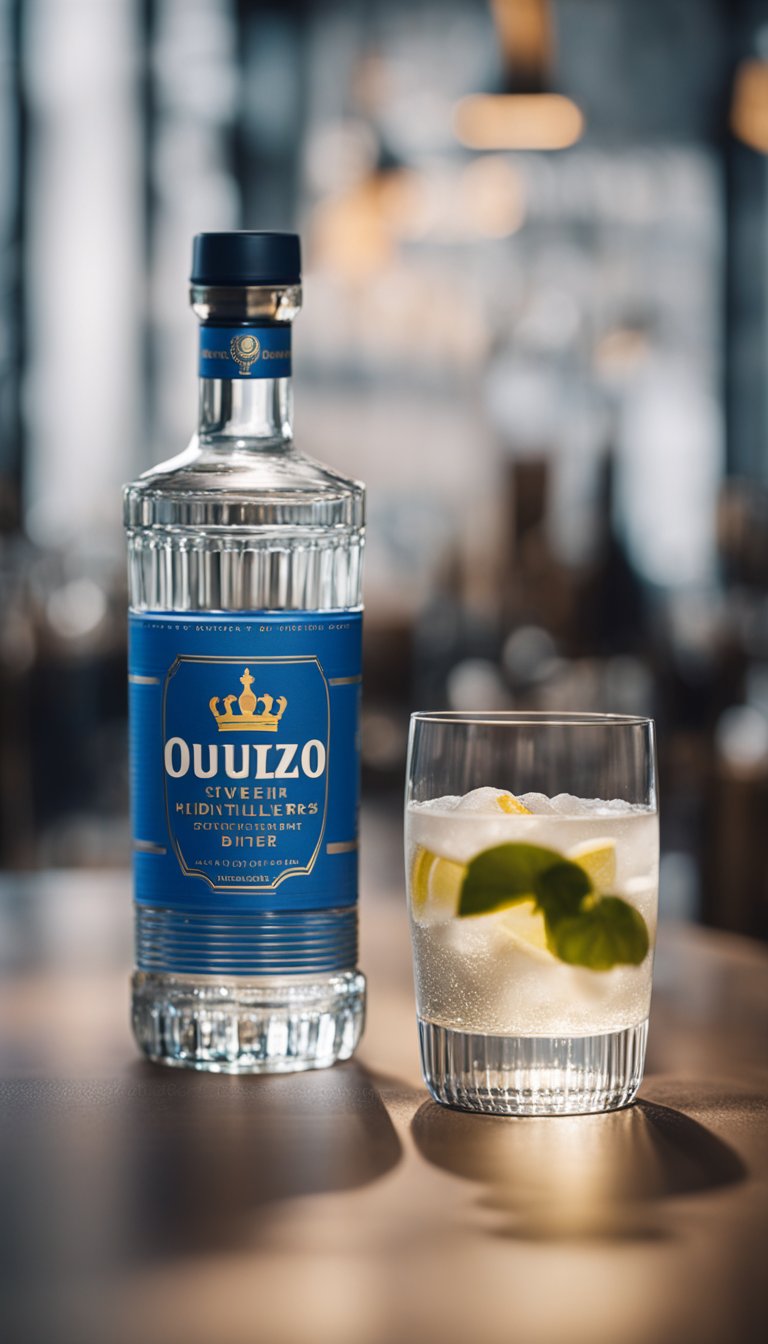
Branding and Marketing Strategies in the EU and UK Alcohol-Free Spirits
Our research into in the EU and UK market for alcohol-free spirits, we’ve found a growing demand for these innovative drinks, the rise of craft alcohol-free spirits, and the specialized consumer segments that are driving the growth of this market. Now is the time to delve into the critical realm of branding and marketing strategies that can help set your alcohol-free spirits brand apart from the rest of the market.
The Building of a Strong Brand Identity
Artistic and Authenticity
In the world of alcohol-free spirits, crafting an engaging brand identity is a must. Consumers are drawn to brands that exude professionalism sincerity, authenticity, and unwavering commitment to high-quality. To establish your brand as an industry leader Consider the following tactics:
- “Tell Your Story”: Share the story of your brand with the emphasis on the passion and commitment that go into the creation of alcohol-free spirits.
- Transparency: Be transparent about the ingredients you use, your manufacturing methods and the source. Credibility builds trust among customers.
- Visual Identity Spend money on visually appealing logos and packaging design that communicates your brand’s uniqueness and values.
Calling out to the emotions
Alcohol-free spirits tend to be associated with positive emotions like happiness, celebration, and the ability to be mindful. Take advantage of these emotions and engage your audience on a higher levels:
- Emotory Storytelling: Craft stories and marketing messages that resonate with the emotions of drinking spirits that are alcohol-free. Inspiring moments of joy relaxing, and social connection.
- Inclusive Messaging: Emphasize that your alcohol-free beverages are open to all, whether they choose not to drink, are designated drivers, or simply seek an alternative to alcohol that is healthier.
Successful Marketing Strategies
Digital Presence and Content Marketing
In the modern age of technology having a solid online presence is crucial. Make sure your brand is visible as well as engaging on various online platforms:
- website optimization You can invest in an user-friendly website that shows your items, provides in-depth information, and also the blog section for content marketing.
- Social Media Engagement: Make sure you have active social media accounts to connect with your audience, share valuable content, and launch targeted advertising campaigns.
- Education Content: Create content to educate consumers about the advantages, flavor, and versatility of your alcohol-free spirits. This could include blog post or videos as well as infographics and infographics.
Partnerships and Collaborations
Collaboration with brands that are similar to yours and influencers will increase your reach and establish credibility.
- Bartender collaborations Join forces with bartenders to create recipes for cocktails that are zero-proof by using alcohol-free spirits. These collaborations could create buzz that can draw mixologists and drink enthusiasts.
- Influencer Partnerships You can identify influencers in the wellness as well as lifestyle and alcohol-free sector who share the values of your brand. Collaboration with them will help you create authentic content and attract a larger audience.
Problem Solving and Looking Ahead
While the alcohol-free spirit market offers a wealth of opportunities but it also presents the possibility of presenting some difficulties. There are still some consumers who have misconceptions about the taste and authenticity of alcohol-free substitutes. The way to overcome these obstacles requires patience, persistence, and constant improvement.
In our next section, we’ll explore some of the key challenges in the industry, and present strategies to deal with the issues. Also, we’ll examine potential future developments for both the EU and UK spirits that are alcohol-free and look ahead to future trends that will affect the future of the market.
Keep an eye on us as we provide our readers with the wisdom and strategies required to prosper in this dynamic and exciting market.
Problèmes and Strategies for the EU and UK Alcohol-Free Spirit Market
We’ve travelled through the landscape of alcohol-free spirits throughout the EU and UK we’ve reflected on the growing popularity of the new and innovative drinks. We’ve also uncovered the key elements of branding as well as marketing strategies. Now is the time to take on the challenges brands face in the current market, and suggest strategies to deal with them.
Problems in the Alcohol-Free Spirit Industry
Consumer Falsehoods
One of the most significant challenges is that people have misconceptions about the quality and taste of spirits that are alcohol-free. A lot of people still associate these beverages with blandness or unappealing flavors. To address this issue, try the following options:
- Taste Education to educate consumers about the variety of flavors and the complexities of spirits that are alcohol-free. Set up tastings or virtual tastings to show off the quality and depth of your products.
- The Sampling Programme Give sample-sized bottles or packs, allowing consumers to try the alcohol-free spirits before committing to a full bottle purchase.
Regulatory Compliance
navigating the complex regulatory landscape surrounding the alcohol-free spirit market can be daunting. Regulations regarding labeling, distribution, and production vary by the country. You can ensure compliance by:
- Contact Legal Consultants Seek legal counsel or regulatory experts with expertise in alcohol and beverage laws to ensure your brand complies with all applicable regulations.
- Comprehensive Labeling Labels that are clear and compliant labels that accurately reflect your product’s alcohol content and ingredients.
Comparison and Differenciation
With the growing popularity of the market for alcohol-free spirits competition is intensifying. To be different:
- New Product Development Create new products by experimenting with new flavors or packaging, or unique manufacturing methods.
- Differentiation Highlight what sets your company apart, whether that’s sustainable initiatives, distinctive ingredients or a memorable tale of your brand.
Strategies for Defying Challenges
Consumer Education
An informed consumer is more likely to be open to drinking alcohol-free spirits. Look at these education strategies:
- Web Resources Create online materials that explain how your products are made, the ingredients used and possible health benefits of your product.
- customer support Offer excellent customer assistance for all inquiries and issues quickly.
Sustainability Initiatives
Consumers increasingly value sustainability. Adopt eco-friendly practices:
- Eco-Packaging Utilize sustainable packaging materials, and clearly express your commitment to sustainability.
- Local Sourcing Find ingredients locally whenever possible, which helps reduce your carbon footprint.
Collaborations, Partnerships, and Partnerships
Collaborations can expand the impact and credibility of your company. Consider:
- Retail Partnerships Create partnerships together with retailers to present your products prominently in-store or online.
- Industry Associations: Join alliances and associations in the industry to keep up-to-date with the latest developments and network with other alcohol-free spirit brands.
What’s the Future for market for alcohol-free spirits
As we address these challenges and implement strategies for overcoming these challenges, it’s important to consider the future. In the next section we’ll look at possibilities for future growth of both the EU and UK alcohol-free spirit market with a focus on emerging trends as well as opportunities that brands must keep a close eye on.
Stay tuned as we navigate the exciting and thrilling path in the future for this ever developing industry.

The Future of the EU and the UK The Alcohol Free Spirit Market: Trends and Opportunities
As we come to the end of our exploration in the EU and UK alcohol-free spirit market we cast our gaze towards the future. There are exciting future trends and opportunities are in store for brands operating in this dynamic market.
Emerging Fashions within the Alcohol-Free Spirit Market
1. Diverse Flavor Profiles
In the coming years it is likely that we will see an increase in the variety of flavor profiles to come onto the market. Taste buds of consumers are becoming more adventurous, and brands are responding with new botanical blends as well as exotic fruit infusions fragrant herbs.
2. Premiumization
The same way that the trend of premiumization affected the market for alcoholic beverages and is expected to create a similar change in the alcohol-free industry. Brands will put their money into top-quality ingredients and manufacturing techniques, offering consumers a premium experience.
3. Sustainability as a Standard
Sustainability will no longer be a distinctive selling feature, instead, it’s a normal expectation. Companies that use eco-friendly methods that include sourcing ingredients with care to using recyclable packaging, will benefit from a competitive edge.
4. Mocktail Culture
The popularity of mocktails, or drinks that are alcohol free is likely to continue. These sophisticated alternatives that are alcohol-free are making waves in restaurants and bars, providing a significant chance for alcohol-free spirits to collaborate with establishments.
Possibilities on Horizons Horizon
1. International Expansion
With the EU and UK market growing Brands should look at expanding their operations internationally. Markets in Asia and the Middle East, and North America show great promise for alcohol-free spirits.
2. Health and Wellness Partnerships
Collaborations with health and wellness brands, influencers, and other events can help alcohol-free spirit brands reach healthy consumers seeking alternatives to alcohol.
3. E-Commerce Dominance
The growing popularity of online shopping provides an excellent opportunity to increase direct-to-consumer sales. Brands must invest in user-friendly sites, online marketing and ecommerce strategies for a better grasp of this booming market.
Concluding and Recap
In this five-part series we’ve journeyed through this EU and UK liquor-free market to discover its increasing popularity in terms of branding and marketing strategies, challenges, as well as strategies to deal with these challenges. We’ve also covered emerging trends and opportunities awaiting the brands operating in this exciting industry.
The attraction of alcohol-free spirit in Europe is undisputed. Since consumers are increasingly looking for healthier, more sustainable alternatives to drinking this market continues thrive. Brands who embrace innovation quality, sustainability, and global expansion will be most likely to prosper in the years to and in the years to.
We thank you for taking us on this educational voyage through the world alcohol-free spirits. We hope this series has given you valuable information and motivation to navigate this exciting and evolving market.