Uncategorized
A Solution for Small Breweries to Generate Extra Income Using Existing Equipment
Running a small operation means you’re nimble, right?
You can pivot fast without corporate red tape.
However, sales can be inconsistent – seasons change, tastes vary, and suddenly your main product isn’t selling as well.
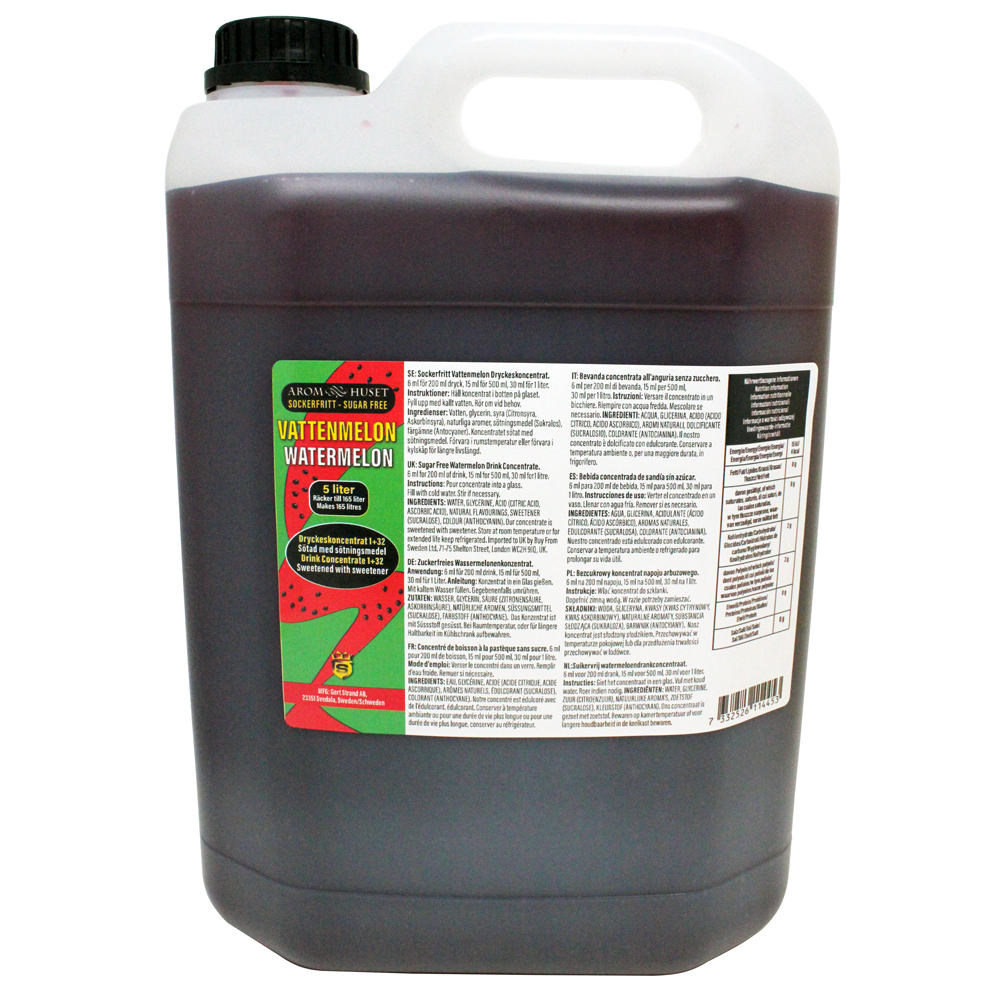
This is where additional income for small breweries using current equipment comes into play.
Aromhuset’s concentrates allow you to create still drinks (imagine flat, refreshing sodas without bubbles) that are sugar-free, delicious, and distinctive.
Until now, no other competitor in the market provides this in concentrated form.
Picture this: your micro brewery’s bottling line, usually humming with beer or cider, now churning out bottles of zesty grapefruit still drink or exotic fruit explosion
The health-conscious customers are enthusiastic about the zero-sugar aspect, as the beverage is sweetened with a natural-tasting sucralose derived from sugar, which is 600 times sweeter, making it virtually undetectable that it’s sugar-free
We’ve tried them ourselves: just a few millimetres in the bottom of a glass, topped with still water, and boom – incredibly refreshing, no weird aftertaste
The delicate sweetness creates a satisfying and well-balanced soda by contrasting with the tangy notes
Aromhuset, from Gert Strand AB in Sweden, crafts these bad boys specifically for folks like you – micro distilleries, breweries, and small bottlers
Key perks that make this a no-brainer:…Sweetened with high-purity sucralose – made from sugar but insanely sweet, so tiny amounts do the trick. No acesulfame or aspartame, which can leave a bitter edge. Tastes clean and real.
Mix and match flavours: All varieties blend seamlessly. Create your own signatures, like a grapefruit-passionfruit twist or banana-rhubarb fusion.
Some of the most popular types are Grapefruit, Pineapple, Rhubarb, Grapefruit-Passionfruit, Banana, Blood Orange, Fruit Explosion, Grapefruit-Blood Orange, Gooseberry, Lemon-Lime, Raspberry, Strawberry, and Passionfruit
The best part is, you won’t need any new equipment
Let me give you a brief overview of the process
Secure your concentrate: Order from Aromhuset. Start small for testing – perhaps a 500ml bottle of Grapefruit to evaluate.
Blend it together: Add 1 part concentrate to 32 parts of filtered still water in your tank. Gently stir it – all done in a few minutes. No heating, no complications.
What are the costs? A 500ml concentrate can be around £3, resulting in 16.5L – around 50 x 330ml bottles
Health trends are massive – folks want sugar-free without sacrificing taste
Being the first in the market with no competition in concentrate form gives you a competitive advantage
In the UK, non-alcoholic drinks sales jumped 20% last year, with zero-sugar leading
Markets to focus on:
Managing Typical Obstacles: Important Considerations
Let’s stay grounded – there are a few aspects worth considering:
The quality of the water is crucial – go for filtered or spring water for optimal taste
Go deeper into flavors: Grapefruit is a sharp, wake-up call
Pineapple gives a tropical escape
Rhubarb tangy nostalgia
Mix Grapefruit-Passionfruit for zingy adult sip
All blendable – invent “Brewer’s Berry Blast” or whatever fits your brand
Ready to roll?
Run a 10L test batch on quiet day.
Label, sell locally. Gather feedback.
Increase production, list online, and present to pubs.
This is extra income for small breweries using existing equipment at its finest – low risk, high reward, fun flavours.
Your setup is all set; Aromhuset provides the secret blend.
Take it for a spin, and observe your profits effervesce (well, metaphorically) expand.
Congratulations on that!
Your Distillery for a few Dollars: The Extreme Budget Plan
Launch your distillery business economically
Start with the bottling process – a wise step in distillation
Setting up a distillery doesn’t require committing to a substantial establishment, an array of equipment, or an extensive wait for your alcohol to age.
A smarter and more economical approach to breaking into the spirits market is to begin by bottling.
The Fundamental Aspects of Bottling.

To get your distillery off the ground, you’ll need the following:.
Ethanol: The base of your spirits, selecting high-quality ethanol is fundamental.
Softened Potable Water: Ensure the water you mix with is safe for consumption and soft for a smooth taste.
Prestige Flavoring Essences: Source a variety of essences from distillery-yeast.com to create an array of spirits, from small batches to large-scale production.
Bottles: Prefer PET plastic bottles for reduced shipping expenses and their lasting quality.
Caps, Labels, and Boxes: Indispensable for the packaging, labeling, and dispatching of your goods.
Area for Production and Devices
Starting with a simple production space is adequate. Contemplate renting a facility or outsourcing the production work.
You will require a mixing container with a stirrer, a basic filler, a hand-operated capper, and a simple labeler—or labels can be applied manually.
For your products’ storage, you might consider a third-party logistics facility or even allocate space in your home.
Complete data can be found at Budget Distillery Startups: Spend Less, Brew More
