Blog
The Decoding EU Regulations on Non-Alcoholic Beverages The Guide You Must Read to Ensure the utmost compliance
When it comes to alcohol and food products, complying with rules is not just legally binding, it’s an essential aspect of consumer confidence and safety. This is because the European Union (EU), well-known for its stringent rules that place a lot of emphasis on ensuring non-alcoholic beverages are of the highest standards of quality and safety. This is the first article in the series, will attempt to help you understand the complexities of EU regulations governing non-alcoholic beverages.
The EU Framework EU Framework
Review of EU Regulatory Institutions
At the core of EU rules on non-alcoholic beverages are various regulatory bodies and each plays an important function in ensuring that the products on the market are healthy for people to consume.
1. The European Commission: Often considered to be the executive arm of the EU The European Commission takes charge of the creation of legislation and taking decisions to implement them. In the case of regulations governing food and beverages, the Commission is a key player in establishing the legal framework within the rules for non-alcoholic beverages.
2. EFSA (European Food Safety Authority ):> This non-profit agency offers advice based on science regarding nutrition and safety for members of the EU institutions. The expertise of the EFSA is essential to assessing the safety and quality of ingredients as well as the ingredients used in non-alcoholic drinks.
3. National Authorities: In addition to EU-wide regulations, individual member states might have their own particular regulations. National authorities oversee compliance to EU regulations at a local or state level.
Legitimate Framework
Understanding EU regulations on non-alcoholic beverages requires an understanding of the legal framework that governs these regulations. The EU utilizes two kinds of legislation which are directives and regulations.
EU Regulations: These are directly applicable to the member states in general and do not require separate national laws. When an EU regulation is enacted it is deemed law in all member states simultaneously.
EU Directives: Directives, on the other hand, spell out the goals that members states have to meet. It’s up to every member state to pass its national laws to comply with the directive.
The interaction between EU regulations and laws of member states could sometimes be complex, requiring businesses to deal with both all-encompassing EU rules as well as the specific national implementations.
Knowing the legislative framework is the first step to making sure you’re in that you are in compliance with EU regulations for non-alcoholic beverages.
In the coming section, we’ll discuss specific aspects of EU regulations, with a focus on labels and ingredient requirements, that are vital for companies operating in the beverage industry.
Stay tuned as we look into the complexities of ingredient labeling and regulations in the EU for non-alcoholic beverages.

It is a challenge to follow EU Regulations: Labeling and Ingredient Requirements for non-alcoholic beverages
In the last section we took a trip to better understand the complicated web of EU laws that regulate non-alcoholic drinks. Let’s get into the specifics, focusing on labeling requirements and ingredient requirementsaEUR”a essential area of conformity that is essential for any business operating within the beverage sector.
Labeling Guidelines
Klarity, and Transparency
EU regulations are precise when it comes to labeling non-alcoholic drinks. The most important goal is to make sure that consumers are provided with clear and accurate information about the products they purchase. Here are some important elements of labeling guidelines:
1. Name of the beverage The name must clearly identify the nature of the beverage. The use of misleading names that could confuse consumers are strictly forbidden.
2. Ingredients List for Non-alcoholic Drinks: Non-alcoholic drinks must provide a list of ingredients including each ingredient in order of weight, descending.
3. An Allergen Factor: If the drink includes any of 14 allergens listed by EU laws (e.g., dairy, nuts and gluten), they must be explicitly identified on the ingredients list.
4. Net Quantity: the quantity of the beverage should be specified in liters, milliliters (cc), centiliters (ml), kilograms grams, milligrams or liters as per the product.
5. Best Before/Use-By Dates: Non-alcoholic drinks with a shelf life of less than 18months must contain a “use up by” date. With a greater shelf life should have a “best ahead of” date.
Nutrition Declaration
Recent years have seen EU regulations have made it compulsory for non-alcoholic beverages that provide nutritional information for 100ml of the product. This includes information on energy value and the quantity of fat, saturates, sugars, carbohydrates as well as protein and salt.
Ingredient Requirements
Use of Additives
EU regulations are strict in regulating the addition of ingredients to non-alcoholic beverages. Additives have to be licensed, safe for consumption, and serve a functional purpose (e.g., colorsants, preservatives, sweeteners, etc.).
Natural Mineral Waters
In the case of beverages that are advertised as “natural mineral water,” EU regulations are particularly tough. The water must be sourced from approved sources and fulfill specific criteria for purity and mineral content.
Fruit Juices and Nectars
In the event that a non-alcoholic beverage is made up of nectars or juices of fruit, it should adhere to defined standards for fruit content. For example, nectars made from fruit must have at least 25 percent in fruit.
Sweeteners
The use of sweeteners are regulated to ensure safety and safeguard the interests of consumers. The labels must clearly inform consumers the presence of sweeteners.
What’s Next?
As we’ve observed, EU regulations on labeling and requirements for ingredients in non-alcoholic beverages are extensive that are designed to protect the consumer’s interest. Being aware of and observing these rules is essential to businesses operating in this sector.
In the coming section we’ll explore the standards for safety and quality by exploring how EU guidelines ensure alcohol-free drinks are in line with the highest standards of quality. Join us on this journey to unravel the complexities of EU regulations even more.
Follow us as we uncover the world of safety and quality standards created by EU regulations for non-alcoholic beverages.
Redefine Your Retail with Direct Bulk Orders from Swedish Distillers!
Standardization of Quality and Safety: ensuring high-quality, non-alcoholic beverages within the EU
In our trek through the maze of EU regulations pertaining to non-alcoholic drinks, we’ve uncovered essential information regarding labeling and requirements for ingredients. Now, let’s continue our exploration by delving into the world of quality and safety standardsaEUR”critical aspects that uphold the integrity of these beverages in the European market.
Quality Standards
Water Quality
Water is the principal ingredient in many of the non-alcoholic beverages And its quality is crucial. EU rules stipulate that drinks made with water must be able to meet strict quality standards. This ensures that the water’s source, treatment and transportation do not compromise the beverage’s safety or taste.
Natural Mineral Waters
In the case of beverages labeled “natural mineral water,” EU regulations are particularly careful. These waters have to come from proven sources and fulfill the strict requirements of mineral composition and purity. Natural mineral waters are famous due to their pure quality and distinct mineral composition. This makes their use a major benefit to the industry of non-alcoholic beverages.
Fruit Juice Purity
When it comes to drinks containing fruit juices In beverages that contain fruit juices, the EU sets specific fruit content guidelines. For instance, nectars made from fruit should contain a minimum proportion of fruit content to ensure that the beverage is authentic and of high quality.
Hygiene & Production
Infection prevention and hygiene at every step of the production process is crucial. EU rules require that all manufacturing facilities adhere to strict safety and hygiene standards to avoid any contamination of the product and ensure its safety.
Safety Standards
Microbiological Criteria
Microbiological safety is a mandatory element of the production of non-alcoholic beverages. EU regulations establish microbiological specifications to ensure that beverages are free of harmful microorganisms posing potential health risks for consumers.
Contaminant Limits
To ensure consumers’ health, EU regulations define maximum limits for various contaminants present in non-alcoholic drinks. These contaminants comprise mycotoxins, heavy metals and pesticide residues. A strict monitoring and testing procedure are in place to ensure that the environment is in compliance with these limitations.
Plus Safety
Additives that are used in non-alcoholic beverages must be rigorously assessed for their safety. EU regulations require comprehensive scientific assessments and risk assessments prior to approving additives for use. This ensures that the consumer is not at risk of being exposed to risks that are not necessary.
The Role of Quality Control
Quality control plays an integral aspect in ensuring that all non-alcoholic beverages meet the highest standards of safety and quality. Manufacturers are accountable for the implementation of rigorous quality control procedures, beginning from the selection of raw materials, to the final stage of production.
What’s Next?
Quality and safety standards constitute the basis upon which the repute of non-alcoholic drinks is built on in the EU market. In the next part we’ll examine the intricate world of marketing and packaging rules, while shedding light on how these aspects contribute to the overall conformity landscape.
Stay tuned as we explore the realm of packaging and marketing regulations. These are the essential components of EU compliance for non-alcoholic beverages.
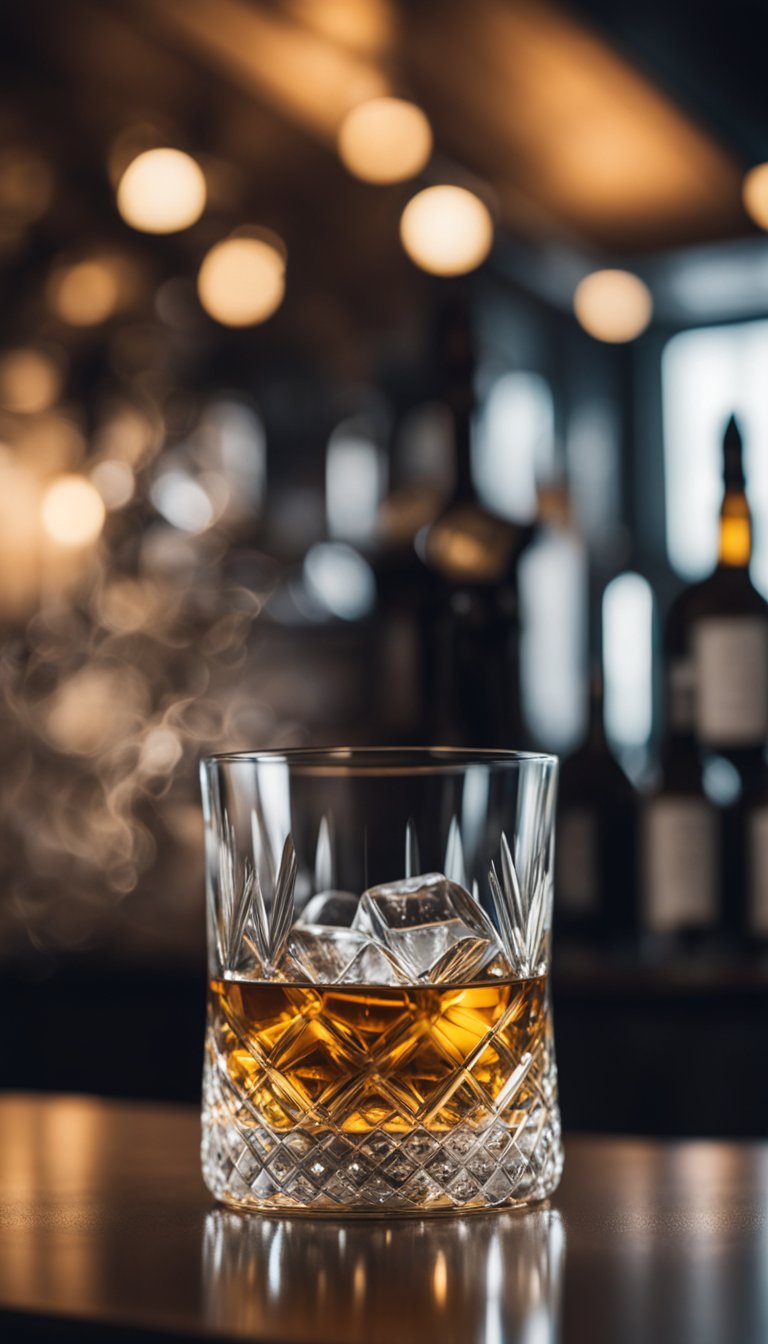
Packaging and Marketing Making the Most of EU Regulations for Non-Alcoholic Beverages
As we continue our journey through the intricacies of EU regulations governing non-alcoholic beverages, we find ourselves at a crossroadsaEUR”packaging and marketing. These two aspects are important and not just for compliance, as well as to get the attention of the consumers in a crowded market. Let’s take a look at the world of packaging and marketing regulations in the European Union.
packaging Regulations
Material Safety
The EU is committed to ensuring that the materials used in beverage packaging don’t contaminate the beverage’s contents. Manufacturers are required to adhere to strict specifications for glass, plastics and metals. This ensures that the packaging doesn’t alter the flavor or safety of the beverage.
The concept of recycling as well as sustainability
The environmental sustainability of our society is an increasing concern, and the EU promotes environmentally friendly packaging options. Regulations aim to minimize garbage and encourage recycling through setting standards for the use of recyclable materials, as well as reduction of waste from packaging.
Preparation and Labeling
Labeling is an important aspect of packaging. EU regulations demand clear and accurate information on labels, which include the item’s name, ingredients nutrition information, as well as allergen declarations. These labels aid consumers in making an informed decision and provide transparency.
Marketing Regulations
True Advertising
Non-alcoholic beverages that are sold in the EU must adhere to the rules of truthfulness and accuracy. Advertising claims for health claims, like those about or benefits of ingredients, should be proven by scientific evidence.
Protection of Minors
Given the potential draw of non-alcoholic beverages to minors, marketing efforts need to avoid focusing on this segment of the population. The EU establishes strict regulations to stop advertising that could be arousing for consumption by youngsters.
Alcohol Imitation
Non-alcoholic beverages must not imitate the packaging or appearance of alcoholic drinks. This helps avoid confusion for consumers as well as ensures that the marketing of these products is clear and clear.
Challenges and Innovative Ideas
Finding the right way to comply with marketing and packaging regulations can be challenging, but they also present the opportunity for innovation. Many companies are shifting to environmentally friendly packaging materials that meet both the requirements of regulatory agencies and consumer demands for eco-friendly options. Creative marketing strategies that focus upon health benefits and unique flavors are getting more popular in Europe. EU market.
What’s Next?
Our research into EU rules for alcohol-free beverages cannot be complete without looking at the crucial aspect of ensuring compliance with these laws. In the next part, we’ll dive deeply into the strategies and most effective practices that can assist businesses make sure that they comply with the strict standards of the EU.
Keep watching as we discover the secrets to comply with EU guidelines for non-alcoholic beverages.
The process of navigating EU Regulations for Non-Alcoholic Beverages: A Comprehensive Guide
We’re pleased to present the 5th and last segment of our thorough guide to finding your way through EU regulations governing non-alcoholic drinks. Through this series we’ve dived into the complicated world of laws governing the manufacture in the areas of labeling, safety and marketing of non-alcoholic beverages in the European Union. In this final piece this article, we’ll recap of the most important points from each chapter and provide concluding thoughts about the challenges and opportunities within this highly regulated sector.
Review of Our Journey
Part 1: Production Standards
In the first piece, we explored the production guidelines created by the EU for non-alcoholic beverages. Some of the key points we learned are:
- High standards of hygiene and safety for manufacturing installations.
- Guidelines for ingredient selection and the quality.
- The importance of ensuring compliance with maximum residue levels for pesticides and contaminants.
- The importance of adhering the Good Manufacturing Practices (GMP) is important.
Section 2 Section 2: Nutritional Labeling and Information on Labels
In our previous article, we talked about the importance of accurate labeling and nutritional information. Highlights include:
- Clear and accurate labeling requirements with ingredient lists, nutritional information, and allergen declarations.
- It is crucial to be honest in advertising and the need for research-based evidence to back assertions.
- The prohibition against creating false impressions for consumers by making false claims.
3. Safety and Quality Assurance
The third article in our series was devoted to safety and quality assurance. We covered the following points:
- High-quality safety standards to prevent contamination and assure the safety of non-alcoholic drinks.
- The role plays a role in Hazard Analysis and Critical Control Points (HACCP) in ensuring food safety.
- Monitoring and traceability allows us to quickly identify and address safety issues.
4. Marketing and Packaging
In the fourth article we reviewed the rules pertaining to marketing and packaging:
- Material safety standards for packaging materials in order to avoid contamination.
- A strong emphasis on sustainability and recycling in packaging.
- Guidelines to ensure fair advertising to protect minors and preventing imitation alcohol.
Opportunities and Challenges
As we finish our walk through EU regulations for non-alcoholic beverages the business has both challenges and opportunities. The biggest challenge is navigating the maze of regulations in order to ensure compliance and meeting evolving consumer preferences for sustainable and healthy choices.
There are, however, significant opportunities for businesses that embrace these obstacles:
-
Innovation: Developing eco-friendly packaging and marketing strategies that promote the health benefits of your products can set you apart in the market.
-
Transparency: Conforming to labeling requirements and advertising regulations does not just ensure the compliance of consumers, but also strengthens their trust.
-
Security: prioritizing quality assurance can protect your brand’s reputation while protecting the customers.
Conclusion
In this series, we’ve explored through the myriad complexities of EU regulations for non-alcoholic beverages. From standards for production to packaging marketing, safety and security and compliance is the most important factor for successful business in this sector.
While you are exploring these regulations make sure you remember that they’re in place to safeguard consumers and ensure the highest quality standards. Be a part of the process to embrace innovation, sustainability, and transparency to thrive in the competitive EU space for non-alcoholic drinks.
Thank you for joining us on this learning journey. We hope you’ve gained valuable insight into the regulatory environment for non-alcoholic beverages in the EU.
Summary of all Articles in This Series
-
1. Production Standards
-
Section 2 the labeling of nutrition information and nutritional labels
-
3, Section 3. Safety and Quality Assurance
-
Section 4: Marketing and Packaging
Continue your quest for success in the world of non-alcoholic beverages Stay up to date to the most up-to-date EU guidelines.
Investigating Botanical Alcohol Free Spirits and the EU The New Era of Flavor
In recent times, there’s been a major change in the world of beverages, especially in the European Union (EU). There is a growing demand for alternatives to traditional alcohol drinks that don’t sacrifice taste and experience. This change has led to the world of botanical alcohol-free spirits.
The Botanical Renaissance in EU Drinks
Imagine yourself at a trendy bar in the center of Barcelona drinking a refreshing, sweet cocktail. The drink is a sensory experience through gardens, with each glass revealing layers and variety. What sets this drink apart? It’s non-alcoholic and infused with nature’s essence.
This scenario is not one-off, but the result of a trend that is growing in the EU beverage industry. Botanical alcohol free spirits are enthralling consumers with their distinct flavors and aromas, which makes these spirits the hottest new trendsetters in the drinks industry.
What Makes Botanical Alcohol-Free Spirits Different?
Botanical alcohol free spirits derive their distinctive flavour from a carefully chosen selection from natural components. They are made by skilled distillers who value flavors and depth.
Bold, italic, and underline format allow us to emphasize the key traits of botanical alcohol-free spirits:
-
Flavor Profiles: This spirit offers an array of different flavors which range from the zesty, citrusy to the herbal and spicy. They are designed to delight those who taste them and to stimulate the senses.
-
Aromatic Qualities Essential botanical ingredients such as juniper, lavender, and coriander make a symphony of aroma that tantalize the nose and improve the overall experience.
-
Nature-based Ingredients Different from the artificial additives found in some alcoholic drinks, botanical spirits count on natural, pure ingredients such as spices, herbs botanicals, and fruits.
Imagine sipping a glass of alcohol-free gin with juniper juice, lemon peel and cardamom. The juniper gives a gentle woody aroma, while the lemon peel offers an uplifting zing, and the cardamom is a subtle hint of warmth and spice. This complex mix of flavors is what makes botanical alcohol-free spirits distinct.
After we’ve introduced you to the fascinating world of botanical alcohol-free spirits and their distinct attributes, let’s dive into the vibrant brands of Europe that are at the forefront of creating these wonderful drinks. In the next part, we’ll shine a spotlight upon the leading brands and their commitment to innovation and quality.
Join us in Part II as we discover the thriving EU’s alcohol-free spirit Brands.
Quality Spirits, Directly to Your Door: Swedish Distillers’ Bulk Alcohol-Free Options!
The Leading Brands in Crafting Botanical Spirits that are Alcohol-Free
As the demand for herbal alcohol-free spirits continues to surge across the European Union (EU), companies that are innovative are rising to meet the demand, and are changing the way we enjoy non-alcoholic beverages. In this section we’ll take a deeper look at a few pioneering brands that are making waves in this exciting new world.
**1. Seedlip: A Study in the Art of Distillation
Bold and Underlined When it comes to spirits that are alcohol-free and botanical, Seedlip is a name that usually stands out. In the year 2000, founded by Ben Branson, Seedlip has been able to master the art of distillation, resulting in a variety of exceptional alcohol-free spirits.
Seedlip’s most famous product, Seedlip Garden 108, is made from a blend of hay, peas, spearmint. rosemary, and thyme. It’s a drink that is fresh and herbaceous flavor that is perfect to create sophisticated cocktails.
**2. A+corn Aperitifs: Elevating the Experience of Aperitifs
Italicized: A+corn Aperitifs is another company from the EU that is which is making waves in the field of alcohol-free botanical spirits. They specialize in making non-alcoholic aperitifs, which are great to sip before dinner or as a base for cocktails.
A+corn Bitter has a strong and complex flavor that reminds the traditional bitters. With its intricate blend of botanicals like chinchona, as well as grapefruit and oak it provides a sophisticated alternative to alcohol-based aperitifs.
**3. Lyre’s: The World is Alcohol Free Options
Lyre’s is a well-known brand that has gained a repute for its vast selection available alcohol-free spirits. From alcohol-free gin or rum to whiskey and amaretto, Lyre’s provides a broad selection that is able to satisfy a broad choice of preferences.
Underlined: One of their notable products, Lyre’s American Malt, provides the rich, oaky, and caramel flavors you’d expect from a typical whiskey. It’s ideal for those who are looking to enjoy the flavor of whiskey but without alcohol content.
**4. Ceder’s: the Spirit of Sweden
Italicized Ceder’s hails from Sweden and combining pristine Swedish water and the exotic South African botanicals to create distinctive alcohol-free gin alternatives. Ceder’s refreshing and crisp Wild is a reaffirmation of their commitment to taste and quality.
With juniper-like notes, in addition to rooibos, Ceder’s Wild provides a wonderful fusion that combines Scandinavian as well as South African influences, making it a standout choice in the world of botanical alcohol-free spirits.
**5. Everleaf: One of the most beautiful symphonies of Botanicals
Bold and underlined: Everleaf is a company that believes in providing the variety of flavors found in nature. Their alcohol-free aperitifs are meticulously created using a variety of botanicals, resulting in sophisticated and intricate flavor profiles.
Everleaf’s Forest is a great example of this, featuring notes reminiscent of Douglas pine, moss, and spiced cherry. It captures the essence of a forest that is lush, offering a unique and memorable tasting experience.
**6. Stryyk: Zero Evidence, All Flavor
Stryyk is based in the UK, has set out to offer zero-proof products with no compromise in taste. The product range offers alcohol-free alternatives to gin rum, and vodka.
Italicized: Stryyk Not Gin is a good example, offering the classic gin experience without the alcohol content. In combination with botanicals such as juniper basil, and rosemary, it’s an excellent option for making cocktails with botanical ingredients.
**7. Nona June:”The Spirit of Mediterranean Life
Underlined Nona June offers the taste of Mediterranean wonder to alcohol-free botanical spirits. Their drinks draw inspiration from Mediterranean flavours and botanicals creating drinks which are both lively and refreshing.
The Nona-June Alcoholic Free Italian Aperitivo offers an experience of Italy with an aroma of blood oranges bitter herbs, Gentian root. It’s a delicious option of those looking for a taste from the Mediterranean in a non-alcoholic way.
Join us in Part III as I dive into the many ways you can take advantage of botanical alcohol-free spirits.
Drinking Botanical Cocktails: Crafting Cocktails Alcohol-Free Spirits: A Bartender’s Guide
In this final part exploring the botanical spirits that are alcohol-free in the European Union (EU), we’re stepping into the exciting world of cocktails. With the popularity of non-alcoholic beverages soars, bartenders and mixologists throughout EU are taking on the challenge of creating innovative as well as sophisticated cocktails that are alcohol free. Come along as we uncover the secrets to creating delicious botanical alcohol-free cocktails that delight the senses.
A New Way to Alcohol-Free Mixology
Bold and Underlined: The rise of Mixologists
Due to the increased demand for mixers that do not contain alcohol, mixologists are been thrust into the spotlight. These talented creators are like alchemists and transform the botanical alcohol-free spirits into attractive drinks that compete with alcohol-based counterparts.
Italicized: The Power of Ingredients
The secret to crafting outstanding botanical alcohol-free cocktails lies in the selection of ingredients. Mixologists usually use fresh herbs, fruits, and premium spirits that are alcohol-free as their building blocks. They infuse their creations with layers of flavor and aroma.
Botanical Cocktails Food Recipes for Savor
Let’s examine some tempting botanical alcohol-free cocktail recipes that delight patrons in bars and restaurants all over the EU.
Bold and Bold and: The Garden Refresher
This cocktail features Seedlip Garden 108, a refreshing alcohol-free spirit infused with peas, hay, spearmint or rosemary, as well thyme.
Ingredients:
- 50 ml Seedlip Garden 108
- 15 ml elderflower cordial
- 20 milliliters fresh lime juice
- A handful of mint leaves
- A little soda water
- Ice cubes
Instructions:
- In a shaker, gently mix the mint leaves.
- Add Seedlip Garden 108, cordial made of elderflowers, and lime juice.
- Add ice to the shaker and shake it vigorously.
- Pour the mix into a glass that is filled with an ice.
- Add soda water to the top and garnish with a bit of mint.
Italicized: The A+corn Mix
Acorn Cocktails have made their mark in the world of mixology that is alcohol-free, and this recipe shows their distinct A+corn Bitter.
Ingredients:
- 50 ml A+corn Bitter
- 100 ml tonic water
- A grapefruit slice
- Ice cubes
Instructions:
- Fill a glass with wine and frozen cubes.
- Pour in A+corn Bitter.
- Pour in the water tonic and gently stir.
- Garnish with a slice of grapefruit.
creating your signature cocktail
Underlined The Art of Personalization
One of many advantages of mixology is its ability to create unique cocktails. Bartenders are encouraged with flavors, infusions and garnishes to come up with unique cocktail recipes that fit the tastes of their clients.
Italicized: Stryyk and Lyre’s the foundations of a versatile and flexible way.
Lyre’s and the Stryyk brand offer a range of alcohol-free spirits, which makes them ideal choices for making diverse cocktails. If you’re making a fruity mocktail or an alcohol-free classic cocktail The brands mentioned above have got you covered.
Join us for Part IV: The Botanical Alcohol-Free Spirit Revolution Continues
In the next installment of our series, we’ll look at the rising trend of pairing alcohol-free botanical spirits to food. From delightful appetizers to sumptuous main dishes, we’ll look at how these intriguing spirits enhance the culinary experience. Don’t miss out on this amazing journey!

“The Art of Pairing: Botanical Alcohol-Free Spirits and Gastronomy
We’ve been exploring botanical alcohol-free spirits within the European Union (EU), we’ve explored the world of mixology and enjoyed exquisite cocktails made from these ingenuous elixirs. The fourth segment of our series we’ll focus on a dazzling endeavoraEUR”pairing the botanical spirits that are alcohol free with food. Discover how these alcohol-free drinks are elevating culinary experiences across the EU.
Enhancing the Dining Experience
Bold and Underlined: Beyond the Beverage
Botanical alcohol-free spirits do not just drinks, they are versatile ingredients that chefs and home cooks alike are using into their cooking creations. From appetizers to desserts the options are endless.
Italicized: A Symphony of Flavors
The pairing of botanical spirits that are alcohol-free with food is akin to composing an orchestra of flavors. The herbal and botanical notes of these spirits may complement and enhance the taste that various foods offer.
The Botanical Spirit Pantry
Let’s explore some of the most notable botanical alcohol-free spirits, and how they can be seamlessly integrated into your culinary repertoire.
Bold and underlined: A+corn Bitter
This aperitif with a strong alcohol-free aroma, A+corn, is recognized for its deep and complex flavors, recalling traditional bitters. Its range of applications extends beyond the kitchen.
Matching Concepts:
- Appetizer: Pour a few drops over a fresh Caprese salad to get a hint of bitterness that offsets the sweetness of mozzarella and tomatoes.
- Hauptspeise A marinade can be made with A+corn Bitter, olive oil garlic, herbs, and olive oil for grilled vegetables or tofu.
- Dessert: Add a sprinkling to chocolate-based desserts in order to increase the richness of their flavor.
Italicized: The Lyre’s Dry London Spirit
The non-alcoholic option to London Dry Gin, Lyre’s Dry London Spirit, boasts the typical juniper-forward flavour of Gin without alcohol.
Mixing Strategies:
- Appetizer: Serve it as a base for refreshing cucumber and mint cocktail or mocktail for pairing with seafood.
- Main Course Create a sophisticated sauce by reducing the Lyre’s Dry London Spirit with shallots or cream as well as herbs for pasta, poultry, or other dishes.
- Dessert: Blend it into sorbet recipes for a refreshing and alcohol-free treat.
The Botanical Alcohol Free Spirit Revolution Continues
Underlined The Flaming Trend
With the changing trends in culinary, the incorporation of botanical alcohol-free spirits into the food industry continues to develop. Leading restaurants and innovative chefs at home are adopting this trend, offering patrons with memorable dining experiences.
Italicized: Join us for the Part V: The Exploration of the EU’s Botanical Alcohol-Free Spirit Landscape
In the final part of our journey through the world of botanical alcohol-free spirits come along for the last part on our journey. The focus will be on the varied world of botanical alcohol-free spirits within the EU including the leading varieties, brands, and new developments that are shaping this dynamic industry.
Stay tuned for our final showdown, when we’ll wrap up this thrilling exploration of the botanical alcohol-free spirit revival!
Discovering Botanical Alcoholless Spirits in the EU An Exploration of Botanical Alcohol-Free Spirits in the EU Culinary Odyssey
Welcome to the ultimate conclusion of our exploration into the world of fascinating spirits made of botanical alcohol that are not a part of the European Union (EU). In the fifth and final installment in our series, we’ll embark on a foodie journey, telling the story of our adventure, and reflecting on the constantly evolving the world of alcohol-free spirits. Join us to enjoy a luxurious as well as informative trip.
Recap of Our Botanical Adventure
Before we go into the culinary aspects, we’ll have a look back the incredible journey we’ve embarked on:
Section 1: Unveiling the World of Botanical Alcohol Free Spirits
In the first segment, we introduced you into the exciting world of alcohol-free botanical spirits. We examined their roots how they are made, the processes used to make them, as well as the wide variety of botanical components that make them special.
Section 2: Crafting Exquisite Botanical Alcohol-Free Cocktails
In the second part of our series we dived into mixology and the art of making delicious alcohol-free cocktails using the versatility of these spirits. From traditional concoctions to unique drinks, we’ve seen mixologists push the boundaries of creative thinking.
Section 3: the Health and Wellness Aspects
The third segment in our series was dedicated to the health and wellbeing aspects of the botanical alcohol-free spirit. We talked about the advantages in choosing alcohol-free choices, for both physical health and mental wellbeing.
section 4: Pairing Botanical Alcohol Free Spirits with Gastronomy
In the previous part of this series we discussed the thrilling world of pairing botanical spirits that are alcohol-free with food. From appetizers and desserts, we’ve discovered how these spirits can enhance eating experience.
The Culinary Artistic Expression of Botanical Alcohol-Free Spirits
Italicized: A Harmonious Marriage
Culinary experts and mixologists alike are beginning to recognize the harmonious connection between botanical spirits that are alcohol-free as well as gastronomy. The botanical and herbal notes present in these spirits provide a symphony of flavors which can take the artistic culinary world to new standards.
Savoring the Moment
In this section, we invite guests to take in the moment while we explore the enchanting world of culinary pairings, and ingenuity that involves botanical alcohol-free spirits.
Underlined: The Art of Sipping and Savoring
When you’re dining out at a Michelin-starred eatery or trying out your culinary skills at home, alcohol-free botanical spirits have a spot at the table. Chefs and home cooks alike have been incorporating these spirits into their creations, making unique and delicious dishes.
Bold and underlined The Pantry of Possibilities
From the earthy tones of A+corn Bitter to more juniper-forward and refreshing Lyre’s Dry London Spirit, the spirits that are alcohol-free and botanical are loaded with options. These spirits function as crucial ingredients, infusing dishes with distinctive flavors and aromas.
A Taste of Botanical Alcoholless Spirits to Gastronomy
Let’s take a moment to explore some inspiring ideas and pairings:
Appetizer Inspiration:
- Italicized: Begin your culinary adventure with an enticing and vibrant dish, including a cucumber and mint salad, drizzled with a dash of botanical alcohol-free spirit to enliven the taste buds.
Main Course Magic
- Bold and Underlined Improve your main course by adding a sophisticated sauce that is made by reducing botanical alcohol-free spirits with cream, shallots and a blend of herbs.
Dessert Delights:
- Underlined to conclude your culinary journey with a wonderful sorbet made of alcohol, that has been enriched by the zingy flavors of the spirit botanical.
Conclusion: Happy Birthday to a Botanical Renaissance
When we pour one of our cups (filled with alcohol-free spirits that are botanical obviously), let’s toast to the remarkable journey that we’ve traveled. The botanical alcohol-free spirit renaissance is in full swing providing us with innovative choices that focus on health, creativity, and culinary excellence.
Throughout this series, we’ve uncovered the depth and range of botanical alcohol-free spirits. their importance in mixology their positive impact on wellbeing as well as their compatibility with food, and their increasing popularity throughout Europe. As the world of culinary continues to evolve, these spirits remain in the forefront of new ideas.
A Toast to the New Beginnings
We invite you to explore the exciting world of botanical alcohol-free spirits, experiment with new recipes and savor moments of well-being and eating pleasure.
We appreciate you joining us on this adventure. For the next time, take note of the appeal of alcohol-free spirits that are botanical and non-alcoholic in Europe is only a sip away.