alcohol-free Spirits
Theemergence” of non-alcohol Spirits
In the past few years, there has been a dramatic change in how we see drinks. Traditional alcoholic drinks are no necessarily the best option for those seeking to relax and get together. In a time when health-consciousness and responsible drinking have become more commonplace the non-alcoholic alternatives are getting more popularity. Among the various options available in the market, non-alcoholic drinks have taken off as a major trend, especially when it comes to the United Kingdom.
In this article, we’ll explore the fascinating world of non-alcoholic liquors and their astonishing growth in popularity. We’ll explore the factors driving this phenomenon and explain how it reflects the tastes of tea enthusiasts around the UK.
The Global Trend To Non-Alcoholic Beverages
Before we go into the specifics about non-alcoholic spirits it’s important to know the wider context. The world over, there has been a shift in consumer preferences with regard to beverages. People are becoming more concerned about their health and conscious of what they consume. This has led to a rising demand for nonalcoholic alternatives that allow individuals to enjoy the flavors along with the social and cultural the rituals associated with drinking, but without any alcohol.
One of the primary drivers in this phenomenon is the need to lead a responsible and balanced lifestyle. A lot of people are opting to lower their alcohol consumption or even avoid drinking at all. The reason for this could be physical health issues, fitness goals such as pregnancy, seeking to enjoy a party without the ill effects of alcohol.
The Non-Alcoholic Spirits Phenomenon
Non-alcoholic spirits stand at the top of the line in this beverage revolution. These innovative products are designed to mimic the taste and depth of traditional spirits, but with no alcohol content. They are created with mixtures of botanicals spices, herbs and other natural ingredients that create an aroma-rich and flavorful experience like the real thing.
The increasing popularity of non-alcoholic drinks can be attributed to several reasons:
-
Highly Spectacular Palates The modern consumer has more sophisticated palates, and are seeking new and interesting flavors. Non-alcoholic spirits can accommodate this demand by providing many flavors and scents.
-
Mixology and Cocktails: The movement towards craft cocktails has gained a huge following, and alcohol-free spirits are an essential component of the trend. Bartenders and mixologists are mixing these spirits into innovative mocktails as well as allowing drinkers to have drinks that are refreshing and creative.
-
“Health and Wellness: As wellness and health are a central part of people’s daily lives alcohol-free spirits offer an appealing alternative. They are often less calorific and do not have the health risks associated with alcohol.
-
Social Inclusion: Non-alcoholic spirits promote inclusivity in social situations. They ensure that everyone, regardless of what they drink are able to fully participate in celebrations and gatherings.
Non-Alcoholic Spirits, Tea Lovers in the UK
Let’s take this trend back closer us, particularly to the UK an area that is known for its love for tea. The UK has a rich tea tradition, and many teas consumed each day, of traditional black teas up to herbal infusions. Tea is not only a drink in the UK it’s a custom, a comfort, and lifestyle.
Tea drinkers in the UK have always appreciated the subtleties of flavor, scent, and quality in their teas. They have a deep understanding of tea making and revel in the taste of the best cup of tea. For them, the rise of non-alcoholic spirits provides an exciting new aspect to their tea drinking journey.
In the next segment we’ll go deeper into the tea-loving culture in the UK and examine the various varieties of tea that are enjoyed by its inhabitants. Then, we’ll look at how introduction of non-alcoholic spirits fits with the tastes of people who drink tea in this country.
As we embark on this investigation into tea and non-alcoholic spirits, be prepared to find out how these two different worlds can blend in order to create wonderful and original experiences.
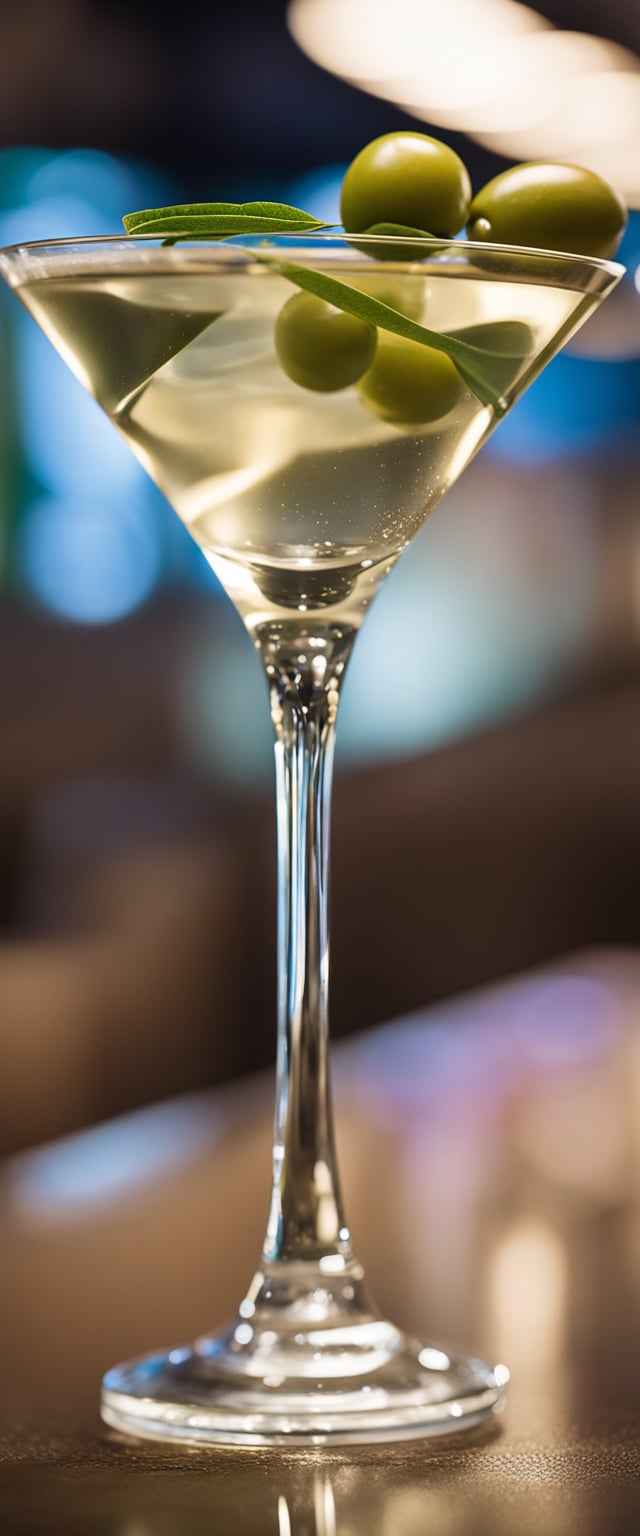
The United Kingdom’s Love Affair with Tea: Exploring Its Diverse Culture
In the United Kingdom, tea isn’t only a drink, it’s a cultural institution. Tea has been a fundamental element of British life for centuries, influencing daily routines, social gatherings and even the national identity. To fully appreciate the importance in non-alcoholic spirits for tea fans in the UK we need to study the rich and varied history of British tea tradition.
A National of Tea Lovers
The British have a deep and lasting love for tea. According to estimates, the average Briton consumes approximately 100,000 cups of tea in their life time. But this isn’t all about volume, but also about quality and appreciation.
Different kinds of Tea
The UK boasts an impressive range of tea varieties. From the classic and robust English Breakfast tea to the delicate and floral scent to the delicate and floral notes of Earl Grey, there’s a tea that is perfect for everyone’s taste. Herbal infusions with herbs like chamomile peppermint, and fruit teas also have been incorporated into British teapots.
Tea Rituals
Tea is more that drinks; it’s a ritual. The quintessential British afternoon tea, complete with its scrumptious sandwiches as well as cakes, scones and sandwiches are a long-standing tradition. It’s a time to talk with friends, relaxing, and savoring the flavors of well-brewed tea.
The Social Function of Tea
Tea has always played a crucial role in British society. It’s been a source to relax during difficult times, a symbol of hospitality, and a catalyst for gatherings. The phrase “put your kettle in” can be interpreted as providing the comfort of camaraderie and a sense of security.
The Intersection of Tea and Non-Alcoholic Spirits
As we’ve discovered, tea is an important item to the souls of British. But how does this affinity for tea correlate with the rising popularity of non-alcoholic spirits?
Flavor Synergy
One of the fascinating aspects for non-alcoholic spirits is their capacity to mimic the complex flavors typically found in alcoholic drinks. This provides exciting possibilities for tea drinkers who can experiment with unique flavor combinations. Imagine a delicious smoky lapsang tea with a non-alcoholic whisky substitute, or a refreshing Earl Grey infused with a non-alcoholic gin.
Cocktail Creativity
Tea cocktails have gained popularity in recent years, and non-alcoholic spirits are the key ingredient in this trend. For those who like making mixology experiments mixing non-alcoholic spirits provides many possibilities. Imagine a refreshing and iced tea cocktail made with botanical non-alcoholic liquors like gin and a spicy chai tea latte enhanced with a non-alcoholic spiced liquor alternative.
Health and Wellbeing
Tea drinkers often place a high value on health and well-being. Non-alcoholic spirits support this philosophy since they are made from natural ingredients that are devoid of alcohol’s adverse consequences. This means that tea drinkers are able take pleasure in a wide range of tea-based cocktails without compromising on their commitment to maintaining a healthy lifestyle.
Tea and Non-Alcoholic Spirits: Harmonious Blend
In sum, the UK’s fondness for tea, as well as the rise of non-alcoholic spirits aren’t distinct, instead, they’re a seamless blend of tradition and new ideas. Non-alcoholic spirits offer tea lovers the chance to enhance their tea experiences, experiment with flavors, and enjoy making the most of mixologyaEUR”all while maintaining their passion for the world’s most beloved drink.
In the next article in the next article, we’ll examine some amazing drinks that pair well with tea that will provide tea lovers with inspiration for their own tea-based recipes. Be ready for a a flavorful journey where tradition is met with modernity.

The Elevate Your Tea Games for a rousing non-alcoholic experience and Tea Combinations
For those living in the United Kingdom, where tea is the most popular beverage, tea lovers are always on the lookout to find new and exciting ways to enjoy their favorite beverage. Enter non-alcoholic spiritsaEUR”a trend which has made waves in the worlds of drinks. In this section this article, we’ll examine some captivating pairings of non-alcoholic spirits and tea that are designed to take your tea-drinking experience to a new level.
1. Earl Grey Elegance Earl Grey Elegance
Pairing: Earl Grey Tea and Non-Alcoholic Gin
The reason it works: Earl Grey’s distinctive blend of black tea that’s infused with bergamot orange makes scents that are slightly citrusy and fragrant base. When you combine it with the botanical depth of gin without alcohol, you’ll be able to enjoy a refreshing, delicious tea cocktail that’s ideal for a sophisticated afternoon tea.
Recipe: Earl Grey Gin Fizz
- You can make a cup of robust Earl Grey tea and let it cool.
- In a shaker mix the Earl Grey tea, 1.5 OZ of non-alcoholic gin, 0.5 oz of fresh lemon juice along with 0.5 oz in simple syrup.
- Shake well and strain into a chilled, chilled glass topped with some ice.
- Add sparkling water to the top and garnish with a lemon twist.
2. The Spicy Chai Sensation
Pairing: Chai Tea & Non-Alcoholic Spiced Rum
What it does: Chai tea is recognized for its warm hot flavors, usually containing the ingredients of cardamom, cinnamon, and cloves. If you pair it with non-alcoholic spiced rum alternative this is a fantastic combination of warming spices ideal for chilly winter nights.
Rezept: Spiced Chai Rum Punch
- Infuse a strong cup Chai tea.
- In a pitcher, mix the chai tea, 1.5 5 oz. of a spiced non-alcoholic rum substitute 2 oz apple cider and then a splash in maple syrup.
- Mix well and chill until it is cold.
- Serve on ice, and decorate with a cinnamon stick.
3. The Herbal Infusion
Pairing: Peppermint Tea & Non-Alcoholic Herbal Liqueur
Why It’s Work: Peppermint tea’s natural freshness and revitalizing qualities make it a great companion for non-alcoholic herbal liquors. This pairing results in an herbal and refreshing concoction that’s perfect for relaxing.
Recipe: Herbal Mint Delight
- Prepare a pot of peppermint tea and allow it to cool.
- Pour into a glass mix the peppermint tea, 1 ounce of herbal liqueur that is non-alcoholic, and a splash of elderflower-infused tonic.
- Mix in ice and garnish with fresh mint leaves.
4. The Freshness of Citrus Refresher
Mixing Citrus Green Tea & Non-Alcoholic Citrus Vodka
The reason it works: Citrus green tea is well-known for its zingy and rejuvenating nature. When you combine it with non-alcoholic vodka, you’ll have an intense and sweet drink that is ideal for a summer garden celebration.
Recipe: Citrus Green Tea Sparkler
- Pour a cup of citrus green tea, then let it cool.
- In the flute glass, mix the green tea from citrus, 1.5 oz of non-alcoholic citrus vodka and a few drops of the fresh juice of a lime.
- Add chilled sparkling water and add lime wheels.
5. The Smoky Lapsang Sipper
Pairing: Lapsang Souchong Lapsang Souchong & Whisky Non-Alcoholic Assist
What it does: Lapsang souchong tea is famous for its intense smokey taste that is reminiscent of woodsy and campfire-like notes. When paired with a non-alcoholic whisky alternative, this creates an unusual and bold cup of tea.
The recipe is Smoky Whisky Highball
- Drink a cup or two of lapsang souchong, and let it cool.
- For a Highball Glass, blend the lapsang tea with 1.5 grams of non-alcoholic whisky alternative, as well as an ounce of bitters.
- Ice and top it off with ginger beer.
- Sprinkle with the lemon twist.
These enticing tea and non-alcoholic spirits pairs not only cater to the different tastes of tea lovers, but also present a variety of possibilities. You can sip tea at an evening of peace or hosting a tea party These combinations are sure to delight your guests and improve your tea game.
In the next section we’ll go over the health benefits of these non-alcoholic spirits and tea blends, offering you additional reasons to try these tasty concoctions.
Direct from Producer: Secure Your Bulk Orders of Top-Tier Alcohol-Free Spirits with Swedish Distillers!
It is the health Benefits of Tea and Non-Alcoholic Spirit Pairings
As we’ve seen in the previous parts, mixing drinking tea in combination with spirits that don’t contain alcohol could lead to some truly exciting and delicious recipes. The benefits extend far beyond tasting buds. In this section this article, we’ll take a look at the health benefits of these combinations and how they can positively impact your well-being.
1. A Low-Calorie Option
Tea and non-alcoholic spirits offer a lower calorie intake, making these pairings an excellent choice to help manage their calories. While alcohol-based drinks can be heavy on calories because of the alcohol composition and the sugary mixers, tea-based mocktails are refreshing and refreshing.
Key Benefits:
- Enjoy your favorite flavors without worrying about excess calories.
- Ideal for weight-conscious individuals.
2. Antioxidant-Rich Elixirs
Non-alcoholic spirits and tea have antioxidants that help combat oxidative stress in the body. Tea, particularly, has high levels of polyphenols that have been proven to provide numerous health benefits. Some of these include the lower risk of suffering from chronic diseases.
Key Benefits:
- Make sure your cells are protected from damage caused by free radicals.
- Improve overall health and well-being.
3. Vitality and Hydration
Tea is a refreshing beverage that will help you increase your daily intake of fluids. When paired with non-alcoholic spirits it can be a wonderful method to stay hydrated especially if drinker of water with no flavor.
Key Benefits:
- Keep your body properly hydrated.
- Improve your energy levels and increase your alertness.
4. Digestive Comfort
Certain herbs, such as peppermint and ginger, have been praised for their benefits for digestion. If paired with non-alcoholic spirits, these teas can help ease stomach upsets and aid in digestion.
Key Benefits:
- Alleviate digestive discomfort.
- Promote better digestion after meals.
5. Reduced Risks for Alcohol-Related Health
Selecting non-alcoholic spirits over counterparts containing alcohol can significantly lower the risk of drinking alcohol. You can still get pleasure from social cocktails, but without the negative health risks.
Key Benefits:
- Reduce the risk of having alcohol-related health issues.
- Choose health-conscious, responsible choices.
6. Mental Relaxation
Tea, specifically herbal varieties such as lavender and chamomile, is known for its relaxing and stress-relieving properties. When paired with non-alcoholic spirits this combination could provide an opportunity for mental relaxation.
Key Benefits:
- Reduce stress and anxiety.
- Promote mental well-being.
7. Versatile Flavor Profiles
The wide variety of teas, as well as non-alcoholic spirits you can choose from means you are able to customize your beverage choices to your personal health goals. You can choose an energetic morning drink or a calming evening sip there’s a blend for you.
Key Benefits:
- You can customize your drink to suit the taste of yours and your wellness needs.
- Explore new combinations and flavors.
Within the following section this section, we’ll help you understand several frequently asked questions (FAQs) concerning spirits and tea that are non-alcoholic which address common questions and concerns. We’ll also offer expert solutions to aid you in making the most out of these amazing combinations. Keep checking back to learn more!
Unlocking the perfect pairings: Tea and Non-Alcoholic Spirits
We’re pleased to present the conclusion of our journey into the wonderful world that is tea and non-alcoholic alcohol pairings. We’ve been on an exciting voyage, exploring new techniques, health-related benefits, and the art of preparing amazing mocktails. In this final post we’ll bring everything together, and discuss the major takeaways from our exploration.
The Recap: A Snippet of the Journey
Before we start the summary and conclusion, let’s look back at the fascinating topics we’ve covered in this set of articles:
1. Explore the World of Tea and Mocktails
In our inaugural article, it introduced us to the idea of pairing tea with spirits that aren’t alcohol-based, setting the conditions for a fascinating exploration of flavors and possibilities. We covered the fundamentals of crafting delightful tea-based mocktails and established the basis of your mixology exploration.
2. Making Mocktails: A Journey of Flavor
Our next article was about the art of making mocktails. We explored the creative process and provided recipes for a range of delicious teas and non-alcoholic cocktail combinations. From exotic fusions of fruits to herbal harmonies, you learned how get the hang of making mocktail mixology.
3. Your Health Benefits of Tea and Non-Alcoholic Spirit Combinations
In our third piece we took a turn to investigate the positive health effects of these delightful pairings. From low-calorie alternatives to antioxidant-rich beverages, we have revealed how tea, as well as non-alcoholic spirits can aid in wellness, providing energy and nourishment.
4. Get Your Senses Up: The Ideal Pairings
The fourth article in our series was a savor, featuring some of the most exquisite pairings you can create. We put certain teas in a mix with non-alcoholic spirits in a complementary way and discovered a myriad of aromas and tastes. The class taught you how to enliven your senses while enjoying every sip.
5. Intoxicating Flavors with Health Benefits
In this final piece we’ve drawn upon our knowledge and experiences from the previous four installments. We’ve explored how these pairings provide low calorie, antioxidant rich, replenishing and digestive benefits. You’ve discovered the benefits of making healthy and responsible choices and also found moments of mental relaxation.
A Sips of Conclusion
In the final part of the series, we’ll see that the blend of non-alcoholic spirits and tea is more than an fad; it’s a health and culinary experience waiting to be explored. If you’re a lover of tea or a snobbery lover, or just looking to make healthier choices when drinking they have something to offer.
In a world where taste and health are in harmony with each other, non-alcoholic beverages and tea are a perfect match for your palate and overall well-being. They provide a versatile base for your creative ideas and can lead you to having a healthier and more enjoyable life.
So, when you embark on your own adventure of drinking tea and non-alcoholic spirits be sure to enjoy these flavors, relish the health benefits And, most importantly, have fun. Explore, experiment and share your discoveries with your friends. The possibilities are endless, and your taste buds are the best guide.
A toast To New Beginnings
When the virtual glass is raised to celebrate the close to this distinctive series, we also raise them to new beginnings. Your journey into the world of non-alcoholic spirits and tea is only beginning, and there is a myriad of flavors, recipes and experiences to be had.
You may be planning a relaxing evening at home or at a social gathering or just a moment of private indulgence, these pairings will be your companions on the path toward memorable and meaningful moments. So, go out and explore. Create, sip, and enjoy. And lastly, share the joy with those with you.
Thank you for coming along for this tasty journey through the world of tea and non-alcoholic liquor pairings. We’re interested in hearing about your personal creations and experiences. Until next time Happy sipping and a toast to a day filled with delicious and healthy beverages.
A Recap the Series
We’ll recap the key elements from our five-part series of tea and non-alcoholic spirits pairings:
-
Explore the World of Tea and Mocktails:
- Introduced the idea of combining tea with spirits that are not alcoholic.
- Lay the foundations for exploring flavor and mixology.
-
Crafting Mocktails : A journey of Flavor:
- Learned about the art of creating mocktails.
- Disseminated recipes for tea-based mocktails.
-
A Healthful Benefit of Tea and Non-Alcoholic Spirit Combinations:
- Discussion of the health benefits that come from these two foods, such as low calories and antioxidants.
- Focused on healthy and responsible choices.
-
Enhance Your Senses: The Perfect Combinations:
- We looked into specific teas and non-alcoholic spirit pairings.
- Accentuated the different flavors and aromas that you can make.
Opening this EU as well as the UK’s Alcohol Free Spirit Market Segmentation: Act now to ensure success!
In a time in which the tastes of consumers are changing rapidly and the market for alcohol-free spirits is experiencing a significant transformation. It is the EU and UK both, well-known for their deep-rooted traditions of alcohol but are seeing a surge in demand for alcohol-free alternatives. To navigate this changing environment successfully, businesses have to be aware of the specifics of segmentation of markets. In the first installment to our series we will discuss the essentials of market segmentation and examine its significance in the context of alcohol-free spirits.
What is the reason? Market Segmentation Matters
Market segmentation refers to the process of dividing an entire market into smaller groups that can be managed by focusing on particular characteristics, preferences, and behaviours. It’s a useful tool that helps businesses tailor their products and marketing actions to meet the specific demands of each segment. Here’s the reason segmentation in marketing is important:
-
targeted marketing: When you identify distinct markets and consumer segments businesses can develop targeted marketing strategies that meet the unique preferences and requirements of every segment. This results in more effective marketing strategies as well as higher conversion rates.
-
The ability to customize products: Knowing the different segments of markets helps companies develop products that fit the tastes and preferences of the various groups. This improves customer satisfaction, but it also encourages brand loyalty.
-
Performance of Resource: This helps effectively allocate resources. Instead of taking a generic approach, businesses should focus their efforts on the segments that have the greatest potential for growth and profitability.
-
The Competitive Advantage Firms that successfully segment their market gain a competitive advantage. They can pinpoint gaps in the market. They can also develop distinctive value propositions as well as differentiate themselves from competitors.
-
Customer Retention: The right products and marketing will result in better customer satisfaction which, in turn improves retention rates of customers. People who are loyal to you are more likely to become advocates for your brand.
Market for Alcohol-Free Spirits in the EU and UK
Types of Alcohol-Free Spirits
Before we dive into market segmentation, it is essential to understand the alcohol-free spirit landscape in the EU in addition to the UK. This market has seen a remarkable growth, as well as an expanding amount of alcohol-free spirit choices available. The most popular categories include:
-
Alcohol-Free Gins: Crafted to capture the original botanical flavor of traditional Gin, alcohol-free gins have similar flavors but sans alcohol. They are sought-after for their versatility in cocktails and as drinks on their own.
-
Alcohol-Free Whiskeys: Whiskeys with no alcohol are aimed to recreate the rich and smoky flavors of the traditional whiskey. They are ideal for people who appreciate the taste of whiskey, but are unable to refrain from alcohol.
-
Alcohol-Free Vodkas: Alcohol-free vodkas offer the fresh and clean taste of traditional vodka but without the alcohol. They are incorporated into a variety of mixed drinks and mocktails.
-
Alcohol-Free Rums: Non-alcoholic rums can capture the sweetness and richness of traditional rums, making them a major ingredient in non-alcoholic tropical drinks.
-
Alcohol-Free Tequilas These alternatives retain the earthy and agave aromas you’d expect from traditional tequilas offering a delightful base for cocktail mixes that don’t contain alcohol.
The range of alcohol-free spirits shows the industry’s dedication to accommodating a variety of consumer tastes and preferences. As the demand for these products continues to grow understanding the market segmentation process becomes essential for any business looking to thrive in this dynamic environment.
In the next section we will examine how consumers’ preferences play a key factor in alcohol-free market segmentation, providing insight into the motives that force people to make the decision to purchase alcohol-free products. Let’s explore this exciting journey of understanding this EU and UK alcohol-free spirit market.

Exclusive Wholesale Opportunity: Order Direct from Swedish Distillers for Premium Non-Alcoholic Spirits!
Understanding Consumer Preferences to the EU and UK Alcohol-Free Spirit Market
In our previous segment, we discussed the basics of segmentation of the EU as well as the UK the alcohol-free spirits markets. This second part of our series goes into the core of the issue consumers’ preferences. Understanding the reasons that lead consumers to opt for alcohol-free spirits is crucial business owners who wish to carve their niche in the changing market. Let’s embark on this journey of discovery.
The Evolving Consumer Landscape
Consumer preferences are at center of any market, and the market for spirits that are alcohol-free is not an exception. The following aspects reveal the current customer landscape:
New Health and Wellness trends
One of the major drivers for the alcohol-free spirit market is the growing global trend towards health and wellness. As consumers become more conscious of their health, they are and seeking out products that fit with their desire for a healthy and balanced lifestyle. Alcohol-free spirits can be a good option for those who would like to enjoy the flavors and social aspects of drinking alcohol without suffering the harmful health effects of alcohol.
Millennial Influence
The millennials born between the years 1981 and 1996, are a dominant force in shaping the fashions of consumption. This generation values experiences over things and is more likely to consider healthier and ingenuous alternatives, such as alcohol-free spirits. It is also a major audience for businesses to focus on.
Social Responsibility
People, especially young ones have become more socially responsible in their shopping choices. They are influenced by brands that are ethical, sustainable, and socially conscious. Alcohol-free spirits producers who emphasize sustainable production methods and sustainability frequently resonate with these customers.
Flavor Variety
The alcohol-free spirit market has adapted to the growing demand of consumers for different flavors. There are many options available, including a botanical-infused Gin, a smooth alcohol-free whiskey, or a tropical rum that is alcohol-free The array of flavors that are available caters to a variety of taste preferences. This range is popular with consumers looking for curiosity and fun in their beverages.
Alcohol Reduction and Abstinence
To those who have reduced their consumption of alcohol or cutting out drinking altogether, alcohol-free spirits provide an excellent alternative. These spirits allow drinkers to be part of social gatherings and appreciate the experience of creating cocktails without the harmful effects of alcohol.
Essential Considerations for Market Segmentation
Understanding these consumer preferences is essential for segmenting the market. In order to effectively divide this market EU and UK alcohol-free spirit market businesses should be aware of the following points:
Demographics
Demographic factors like age gender, income and even location play a significant part in consumer preference. Younger consumers, for instance could be more likely to new flavors, while older consumers might be more concerned with health benefits.
Lifestyle
People’s lifestyles significantly impact their choices. People who lead active lives may be looking for energy-boosting or low-calorie alcohol-free alternatives, whereas others could be looking for alcohol-free drinks to relax at home.
Occasions
There are different occasions that call for different types of drinks. Companies must take into consideration how consumers make use of alcohol-free spirit – whether to celebrate a party, social gatherings or just personal relaxation and alter their marketing strategies to suit.
Taste Preferences
Flavor profiles matter. Some consumers prefer more botanical notes to gin, while others may favor the richness and smoky flavor of whiskey. Segmenting markets according to taste preferences allows businesses to target specific niches effectively.
Values and Ethical Questions
Consumers increasingly support brands that have values that align with their own. Companies that emphasize ethical sourcing sustainable, sustainability, and responsible production will be more popular with the socially conscious consumer.
By taking these considerations into consideration, businesses are able to design targeted marketing campaigns, produce products that satisfy specific needs of consumers and also establish a significant representation in EU and UK alcohol-free spirit markets.
In our next installment we’ll explore the competitive landscape of the industry in order to identify the leading players and strategies that are driving its future. Be sure to check back for information about how you can stand out in this thriving market.
Designing a Successful Strategy on behalf of the EU as well as the UK The Alcohol-Free Spirits Market
Welcome to the third chapter of our journey through in the EU and UK alcohol-free spirit market. In previous installments we looked into segments of the market and consumer preferences by revealing the complex terrain which companies have to traverse. This time, it’s time think about how you can craft an effective strategy for this fast-growing industry.
Knowing the Competitive Landscape
Before you can begin to develop a strategy is crucial to understand the competitive landscape. The alcohol-free spirit market is competitive and vibrant, with numerous players vying for consumer attention. Here are some essential information about the current state of competition:
Market Growth
The alcohol-free spirit market is booming, there are new brands coming onto the market regularly. As consumer demand continues expand, competition is getting more intense, making it essential for businesses to distinguish themselves.
Established Players
A number of established companies dominate the market, gaining strong brand recognition and customer loyalty. They’ve set the standard for taste and quality and make it difficult for newcomers, especially those who are just starting out, to break the.
Niche Players
Niche companies have been successful through catering to certain consumer segments or by offering distinctive flavour profiles. These players often thrive by providing solutions to unmet needs in the market.
Crafting Your Unique Selling Proposition (USP)
To stand out in this highly competitive market, businesses need to define a compelling Unique Selling Proposition (USP). Your USP is what sets you apart and ensures that consumers will choose alcohol-free drinks over the others. Here are some strategies to consider:
Flavor Innovation
In a market driven by varied tastes in the market, innovative flavor profiles may be a game-changer. Try out unique botanicals, infusion methods, and organic extracts to make unique offerings.
Health and Wellness Focus
With the growing trend of health-conscious consumers, highlighting the health benefits you can get from your spirits that are alcohol-free can be a compelling USP. Use low-calorie, sugar-free and natural ingredient attributes.
Sustainability and Ethics
Consumers are increasingly choosing brands that place a high value on sustainability, ethical sourcing, and responsible production. Promote your firm’s commitment to these values through your packaging and marketing.
Marketing and Branding
Effective marketing and branding are both essential. Create a brand image that connects with your audience and tells a compelling story. Invest in eye-catching packaging that conveys the essence of your brand.
Collaborations and Partnerships
Collaborate with influencers, bars eateries, event organizers to broaden your reach. Strategic partnerships are a great way to expose your products to a bigger population.
The purpose of targeted marketing is to educate consumers and the market.
Once you’ve established your USP and established your USP, you need to concentrate on marketing as well as consumer education. Here’s how to approach it:
Digital Marketing
Use the power of internet-based marketing to connect with your ideal people. You should invest in search engine optimizing (SEO) in order to make sure that your website is highly ranked in search results. Utilize social media to interact with consumers and promote your products.
Content Creation
Create informative content that informs consumers about the benefits and variety of alcohol-free spirits. Videos, blog posts, and infographics are a great way to help customers understand how to incorporate your products into their everyday lives.
Tasting Events
Organise tasting events at restaurants, bars, and festivals without alcohol. Offering customers the opportunity to try your drink firsthand can be a highly persuasive sales method.
Customer Support
Offer outstanding customer support to answer questions and build trust. Customer service that is prompt and well-informed can convert potential customers into faithful advocates.
In the next part we’ll look at distribution channels and methods to effectively get your products into the customers’ hands. Follow us for updates on expanding your reach in the market and making your alcohol-free spirit available to a larger audience.
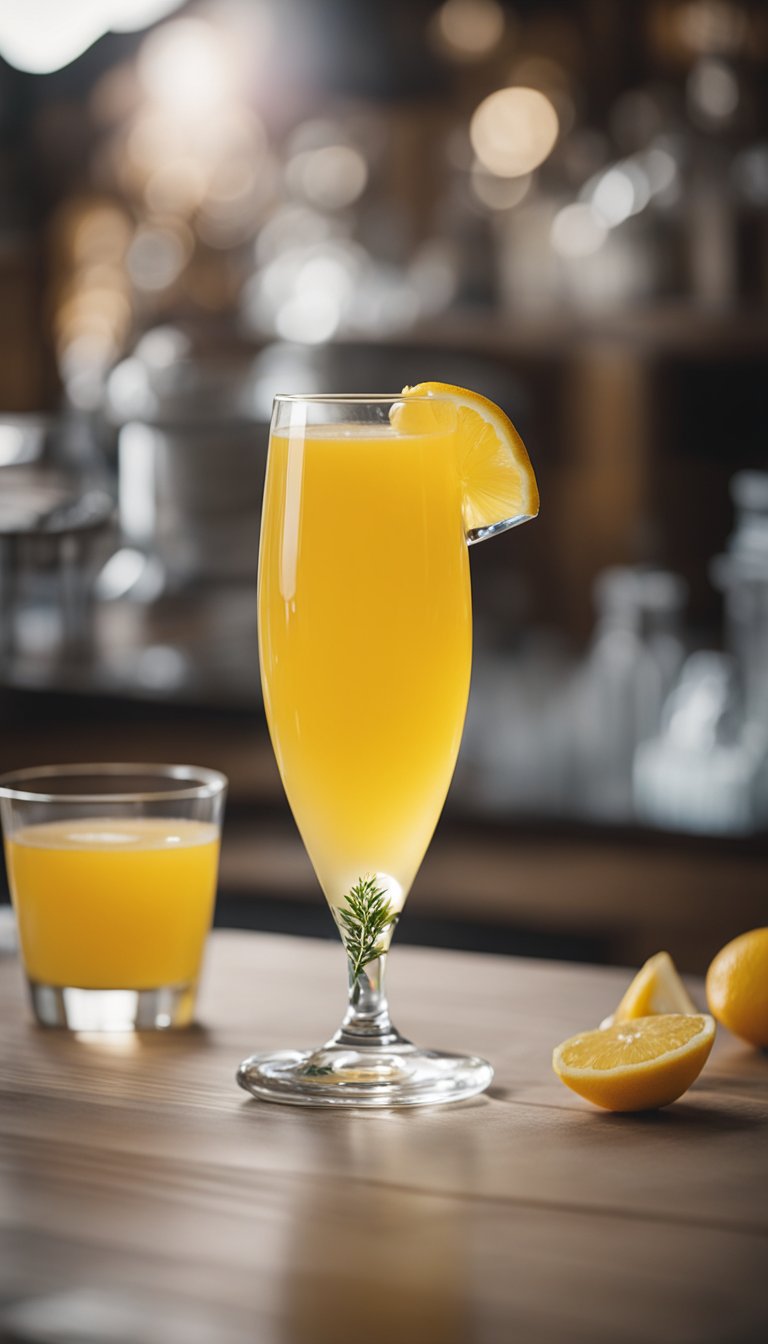
The Distribution Channels You Need to Use: Getting your alcohol-free spirit to consumers
Through our exploration of in the EU and UK alcohol-free spirit market we’ve studied market segmentation and customer preferences, and developing a compelling Unique Selling Proposition (USP). We now turn our attention towards a important aspect of success: distribution channels. What can you do to effectively get your alcohol-free spirits in the hands of eager consumers? Let’s explore.
Understanding Distribution Dynamics
Before you can develop your distribution strategy, it’s essential to understand the nuances of the alcohol-free spirit market. Here are key insight into today’s distribution environment:
Traditional Retail
Traditional retail channels, including liquor stores and supermarkets, are traditionally the main outlets for distribution of alcohol. However, the landscape is changing as people seek healthier alternatives.
Online Retail
E-commerce has transformed the distribution of spirits that are alcohol-free. Platforms online allow consumers to browse a myriad of options, making it a promising option for brand new companies.
Specialty Stores
Specialty stores catering to people who are concerned about their health or looking for unique items have become valuable distribution partners. Take into consideration partnering up with these retailers for reaching particular markets.
Bars and Restaurants
Restaurants and bars have a key role to play in introducing consumers to new spirits that are alcohol free. Collaborate with establishments to include your products in their menus.
Making Your Distribution Strategy
Now that you have an understanding of the dynamics of distribution We can now devise a successful distribution strategy:
Multi-Channel Approach
Try a multi-channel method of distribution to reach a greater group of customers. Combine traditional retail, ecommerce, and specialty stores to increase your market reach.
Online Presence
Invest on a solid online presence. Create an e-commerce site that is user-friendly with a shopping cart that customers can use to purchase, and find out more regarding your product. Optimize your site to be search engine friendly (SEO) to increase online visibility.
E-Commerce Partnerships
Find partnerships with platforms for e-commerce, like Amazon or alcohol-free spirits marketplaces. These platforms are populated with customers eager to discover new products.
Wholesale Partnerships
Get in touch with wholesalers or distributors that specialize in alcohol-free beverage. These companies have networks established and can assist you in bringing your product to more retailers.
Direct-to-Consumer (DTC)
Consider a Direct-to-Consumer (DTC) model, in which you sell your spirit that is alcohol-free directly to consumers via your website. DTC permits higher margins of profit and improved relationship with customers.
Regulatory Compliance
To navigate the alcohol-free spirit market also involves compliance with standards of regulation. Check that your products are compliant with all legal requirements, and also obtain the necessary permits and licenses to sell your product.
Consumer Education
Ensuring that consumers are aware of your products is essential for a successful distribution. Look at the following suggestions:
Informative Website
Create a website with details on the products you purchase recipe for cocktails, as well most frequently requested question (FAQs). This can assist customers in making informed decisions.
Tasting Events
Then, host tastings at different distribution locations, allowing people to try your alcohol-free liquor. These events give customers hands-on experience and increase brand loyalty.
Social Media
Use social media platforms as a way to connect with your customers and share content that educates them about the benefits and use of your products.
Presenting the Next Section in the Maintaining Market Relevance
As we wrap up this section on distribution channels, it’s important to point out that getting your alcohol-free spirits into the consumers’ hands is only the beginning. In the next section we’ll explore strategies to maintain market relevance and continuously meeting evolving customer demands. Stay tuned for further insights into technological innovation and staying ahead of the competition.
Sustaining Success: Navigating the EU and UK Alcohol-Free Spirit Market – Part 5.
Welcome to the conclusion of our extensive series on market conditions in the EU and UK alcohol-free spirit market. In this final article, we’ll take a look at the key aspects of maintaining market relevance and summarizing the most significant lessons that we’ve learned from our journey. So, let’s start this last part of our exploration.
Staying Ahead With Innovation
The market for alcohol-free spirits is advancing and change, staying ahead technological advancements is essential. Here’s how you can be innovative to stay relevant in the market:
New Product Development
Make investments in research and development to create innovative alcohol-free spirits that meet the evolving tastes of consumers preferences. Test out unique flavors such as ingredients, packaging and packaging to attract attention of consumers.
Health and Wellness Focus
Emphasize the health and wellness aspects of your product. Make sure you highlight the nutritional benefits, natural ingredients, and ways your spirits that are alcohol-free can be part of a balanced lifestyle.
Sustainable Practices
Incorporate sustainable practices into your production and packaging. Eco-friendly practices are popular with environmentally conscious consumers. They can also set your brand apart.
Marketing and branding
Marketing and branding that is effective are pillars to sustained success. Take a look at the following strategies:
Storytelling
Share your brand’s story through captivating content. Highlight the journey, values as well as the mission of your alcohol-free spirits to get to know your customers on greater level.
Collaborations with Influencers
Work with influential people in fitness, health as well as mixology industries. Their endorsements can increase your reach, as well as boost your credibility the target audience.
User-generated Content
Let your customers post their experiences with your product on social media. User-generated content can foster an atmosphere of community and authenticity in your brand.
Adapting to Consumer Trends
Changes in consumer trends continue to evolve. To stay relevant, follow and adjust to these changes:
Wellness and Health Trends
As health awareness increases, ensure that your products and services with wellness trends. Offer sugar-free, low-calorie or functional alcohol-free spirits that satisfy the demands of consumers.
Cultural Celebrations
Incorporate cultural celebrations into your holidays. Create special editions or cocktails specifically designed for these events to take advantage of seasonal demand.
Recap of Our Journey
In this series, we’ve explored through the murky waters of the EU and UK the alcohol-free spirit market. Let’s take a look at the major lessons from each article:
Article 1: Market Segmentation
Understanding your customer’s needs and segmenting the market is vital to succeed. Identify niches within the alcohol-free spirit industry to ensure you can tailor your products in a way that is effective.
Article 2: Crafting a compelling USP
Crafting a Unique Selling Proposition (USP) helps differentiate your brand. The USP should highlight what sets your alcohol-free spirits apart, be it quality, taste, or environmental sustainability.
Article 3: Distribution Channels
Effective distribution is important. Take advantage of multi-channel distribution, make investments in e-commerce, and think about partnerships to reach a wider audience.
4. Regulatory Compliance as well as Consumer Education
Compliance with the law is a requirement. Educate consumers about your products through informative websites, tasting events and through social media.
Article 5: Maintaining Success
Innovation marketing, branding, and adaptation are essential to sustain success. Be attentive to consumer trends, focus on wellness and celebrate moments of culture.
Conclusion
Within the fast-moving EU and UK alcohol-free spirit market sustainable success is contingent on continuous improvement. From segments of the market to the distribution channel, compliance with regulatory requirements, and the latest innovations we’ve covered all the key aspects to be successful in this business.
Remember, success is not always a static event; it’s more of a journey of continuous improvement and adaptation. By remaining flexible, focused on consumers and ingenuous you will be able to navigate the alcohol-free spirit market with ease.
Thank you for being part of us with us on our journey. We hope these tips will help you to make a better decision and thrive in this dynamic market. We wish you continued success with alcohol-free spirit!