Blog
Alcohol-Free Spirits are vying with. Traditional spirits in the UK A Must-Read Showdown to those who drink healthily!
In the last few times, the world of beverages has undergone a significant transformation. As more people prioritize their health and wellness, the demand for alcohol-free alternatives is increasing. The United Kingdom, this trend has morphed into the fierce battle between alcohol-free spirits as well as their traditional counterparts.
How to Understand the Shift
Alcohol-free spirits, also described as “non-alcoholic” as well as “alcohol-free” alternatives have gained popularity with those seeking healthier and more conscious drinking experience. These spirits are created to recreate the essence of and flavor of traditional spirits without the alcohol contents.
What’s the cause of this shift in the direction of traditional spirits? It’s a mix of factors. Health-conscious individuals are increasingly conscious of the consequences of drinking excessively on their wellbeing. This has led to increasing demand for alternatives that give the pleasure of sipping classic cocktail without the drawbacks of alcohol.
The Alcohol-Free Spirit Phenomenon
Definition of Alcohol-Free Spirits
Alcohol-free spirits are created using skillful mixing of botanicals, spices and herbs for a variety of flavorful and complex beverages. They are meticulously distilled to get the essence of these ingredients, giving a high-end taste that is comparable to traditional spirits.
the ingredients and Process
The process of making alcohol-free spirits is an art science. Producers select carefully the best botanicals, spices, and herbs generally sourced from around world to create an original and distinctive flavor profile. These ingredients are subsequently combined with water and distilled, giving a liquid that is concentrated and captures the essence and flavor of the chosen elements.
The rise in Popularity
In the UK in particular, alcohol-free spirits have witnessed an exponential rise in popularity, thanks to a wave of innovation in the beverage industry. Leading brands have introduced various spirits that are alcohol-free, catering for diverse tastes and preferences. This variety makes it much easier users to make the transition away from the traditional spirits and their alcohol-free counterparts.
But why do people decide to opt for spirits without alcohol? It’s not only about health. These drinks are a versatile base for mixologists to make exquisite alcohol-free drinks. They’ve become a symbol of luxury and choice and are a perfect choice for those who would like to drink a drink without the alcohol content.
In the following part we’ll take a deeper dive into the tradition of traditional spirits. We’ll explore their rich history as well as their cultural significance on the UK. We’ll also explore the major differentiators between traditional and alcohol-free spirits in order to make an informed choice about what you’ll drink next.
Keep following us to take you on an exciting journey through the tradition of traditional spirits as well as non-alcoholic alternatives.

Traditional Spirits: A Glance into the UK’s Liquid History
In the beautiful pubs, comfortable bars, and stylish cocktail lounges of the United Kingdom, traditional spirits are long considered a treasured aspect of the nation’s cultural and heritage. When mixed to make classic cocktails timeless liquors have a lengthy history that stretches back centuries.
Tradition of Old Spirits Legacy of Traditional Spirits
A Whiskey Tale
One of the most well-known and adored classic spirits of whiskey is. It’s called “whisky” on the UK. Scotch whisky, in particular has been acclaimed worldwide for its rich taste and its time-tested manufacturing. The origins of Scotch whisky date from the early 15th century, which makes it among the oldest whiskies distilled in the world.
Gin from medicine to Mixology
Gin, a popular traditional spirit with a lengthy story in the UK. It was initially created to aid in the treatment of ailments the spirit gained enormous popularity throughout the 18th-century when it became the base for the well-known cocktail, Gin and Tonic. The spirit that is infused with juniper has become the mainstay of mixology and offers a wide array of flavorings that you can discover.
the Art of Distillation
The Distillation Process
Traditional spirits such as vodka, whiskey, gin and rum are produced with a precise process known as distillation. This involves heating a fermented liquor to make the form of vapor, and cooling it down to condense the to a liquid form. The result is a concentrated alcohol spirit that preserves the distinctive flavors of the ingredients utilized in the fermentation.
The Role of Aging
Aging is a crucial aspect of the traditional production of spirits, especially with whiskey. The whiskey is usually stored in wooden barrels, typically oak, for a period of years. In this period, it undergoes chemical transformations that give complex aromas, flavors and a smooth finish.
Tradition and innovation meet
Traditional spirits are able to hold an exclusive place in the hearts of a large portion of UK inhabitants, the drinks scene is changing. The rise of alcohol-free spirits has created a new dimension to the world of alcohol changing the rules of what a spirits’s definition should be.
In the next section we’ll go over the most important differences between alcohol-free spirits and traditional ones. The next section will explore the flavour profiles of the various flavors, their versatility, and the health aspects that distinguish them from traditional spirits. If you’re an avid drinker of traditional spirits or a curious newcomer, knowing these distinctions can help you make informed choice about which to consume on your next visit.
Join us as we navigate the fascinating intersection of tradition and innovation in the world of spirits. In Section 3, we’ll investigate the fascinating world of alcohol-free spirits in the UK.
Maximize Profits with Premium Bulk Non-Alcoholic Spirits from Swedish Distillers!
Accepting this Alcohol-Free Revolution: Spirits for an upcoming Generation
Even as the sun begins to set on the UK’s bustling towns and serene countryside, a peaceful revolution is taking place within the realm of spirit. Although traditional spirits such as whiskey and gin have long been the most sought-after spirits of those in the British party scene a new competitor has emerged, poised reshape the landscape – alcohol-free spirits.
A Sobering Shift in Perspective
Sobriety Movement Sobriety Movement
In recent years, the sobriety movement has grown in popularity across the UK and across the world. As people get more involved, they are seeking other alternatives to consuming alcohol which allow individuals to enjoy the excitement of gatherings with no adverse effects of alcohol. This shift in the culture has paved this way to the rise and popularity.
A Question of Health
Health-conscious consumers are in the forefront of demand for alcohol-free alternatives. Some are concerned with the negative health effects of excessive alcohol consumption, including liver damage and increased risk of some diseases. Alcohol-free spirits can be a good way to enjoy the tastes and rituals of drinking without the health risks.
Uncovering the World of Alcohol-Free Spirits
Flavorful Alternatives
Alcohol-free spirits that are commonly referred to as “spirits alternatives” as well as “non-alcoholic spirits,” are created to emulate the complex flavors of traditional spirits. If you’re in the mood for the smoky notes of whiskey or the botanical notes of gin or the smoothness of Rum, there’s an alcohol-free option that will satisfy your tastes.
Blends with Botanical Ingredients
Many alcohol-free spirits are produced by mixing a wide range of botanicals, herbs, spices and even fruits. These carefully selected ingredients are then macerated or distilled to extract their flavors creating a liquid that captures the essence of traditional spirits.
Absolutely No Evidence, Complete Experience
One of many compelling aspects of alcohol-free spirits is their capacity to provide a fully-fledged sensory experience with no adverse effects of alcohol. It is possible to enjoy the aroma along with the taste and the tingling sensation of a perfectly-crafted alcohol-free liquor, all while staying sober.
Mixing and Matching the Versatility of Spirits that are alcohol-free Spirits
Cocktail Creativity
One of many exciting aspects of spirits that are alcohol free is their versatility in mixology. As with their alcohol-based counterparts they can be used to create an array of drinks. From mojitos that are alcohol-free to virgin G&Ts, the possibilities are limitless.
Pairing Possibilities
Alcohol-free spirits go well with various mixers, which allows you to make sophisticated and refreshing drinks. You can choose between tonic water, soda or even fresh fruit juices There’s an alcohol free spirit to satisfy your taste buds.
The Future of Drinking
As we drink our way to the exciting drinking world that alcohol-free drinks offer, it’s clear that they’re not simply a passing trend but fundamentally changing the way we view drinking. Whether you’re choosing sobriety, making health a priority, or simply exploring new tastes the alcohol-free spirit offers an open and lively drinking experience.
In the next section this article, we’ll go over how alcohol-free spirits compare against their traditional counterparts. We’ll examine the major differences in flavor, ingredients and consumption, assisting you make educated choices regarding the spirit you prefer.
Join us as we embark on a flavor journey that creates a bridge between tradition and new ideas. In the fourth section we’ll be comparing alcohol-free spirits as well as traditional spirits, while highlighting their unique qualities and advantages.

A Taste Showdown with alcohol-free Spirits against. traditional Spirits
In the ever-changing field of beverages, a fascinating competition is brewing – alcohol-free spirits vs. the traditional spirit. As consumers look for alternatives traditional alcohol drinks, alcohol-free spirits have emerged as a viable alternative. In this section we’ll look at the primary distinctions between these two categories. We’ll also explore the flavor profiles along with the components used in each and the overall drinking experience.
Flavor A Symphony of Tastes
Alcohol-Free Spirits
When it comes to flavor, alcohol-free spirits are crafted to please. They come with numerous profiles that appeal to all preferences. There are non-alcoholic options that imitate the rich, smoky aroma of whiskey, the botanical complex gin flavor, or the sweet caramel undertones of the rum.
Bold Botanicals
A lot of alcohol-free spirits depend on botanical ingredients like coriander, juniper, and citrus peels, to create their distinctive flavors. The botanicals used are carefully chosen and then macerated or distilled to create complex taste profiles to ensure that each glass is an unforgettable experience.
Traditional Spirits
Spirits from the traditional have for long reigned as the best in flavor. Whiskeys, gin, vodka, rum, and other classics have been regarded as essential ingredients in mixology. Their distinct flavors result of complex distillation processes, aging in barrels, and a careful mix of different ingredients.
Eloquent Age
Traditional spirits often benefit from ageing in wooden barrels that impart distinct flavors. Whiskey, for instance, is distinctive due to an interaction of the spirits with the wood. This process causes the creation of unique flavors that may include notes of caramel, vanilla, and oak.
Ingredients: Crafting Complexity
Alcohol-Free Spirits
Crafting alcohol-free spirits is a craft that is dependent on the botanical knowledge. Distillers and producers pick the most harmonious combination of botanicals including spices, herbs and other fruits to make an exquisite and flavorful drink. These ingredients are then refined using various methods so that they can extract their essence, and all without the use of alcohol.
Traditional Spirits
Traditional spirits contain a clear collection of ingredients. For example, whiskey is primarily produced from fermented grain and mash the main botanical in gin is the juniper. The art of traditional distillation lies in the distillation process, where alcohol is the primary ingredient.
Consumption: A Sobering Experience
Alcohol-Free Spirits
One of the biggest advantages of alcohol-free spirits is their ability to give you a full sensory sensation without the harmful effects that come with alcohol. You can experience the scent as well as the flavor and the slight sting of a high-quality alcohol-free spirit while maintaining complete sobriety. They are a great option for those seeking to revel in the experience and pleasure of drinking, but without the downsides of alcohol-related intoxication.
Traditional Spirits
Traditional spirit, just as the name suggests, contain alcohol. While they offer a rich and varied range of flavors as well, they can also bring the effects of alcohol consumption and can cause impairment, intoxication and possible health risks.
An Evolutionary Change in Drinking Habits
As we compare alcohol-free spirits to traditional counterparts, we can see that each type has its distinctive advantages and characteristics. Alcohol-free spirits are a welcoming and lively drinking experience, serving the needs of those who seek sobriety, prioritize their health, or simply want to experience new tastes.
In the coming section We’ll go over the practical aspects of incorporating alcohol-free spirits into your daily routine. From creating tasty cocktails to enjoying in a single sip We’ll explore the variety and creativity they bring to the world of beverages.
In this section, we’ve covered the flavors, ingredients, and alcohol-free spirit consumption as opposed to. more traditional liquors, we’ll move to Section 5 where we’ll provide you with practical suggestions and recipes to enjoy alcohol-free spirits in various ways.
Learn to Enjoy the Art of Spirits that are Alcohol-Free Spirits
We’re pleased to present the conclusion of our five-part series on spirits that are alcohol-free as opposed to. conventional spirits. In the previous sections we’ve explored the finer points of taste, ingredients, and the overall drinking experience for both categories. In Section 5, we set off into a journey of discovery to discover the benefits and practical aspects to incorporating spirits without alcohol into your life.
Designing Crafted Cocktails The World of Possibilities
Crafting the Perfect Mocktail
One of the joys of spirit that is alcohol free has been their versatility in mixology. When you’re hosting a celebration or simply relaxing after an exhausting day, you can use alcohol-free spirits as the base for a range of delicious mocktails. Here are some suggestions to get you going:
-
Citrus Bliss: Combine alcohol-free gin with an elderflower syrup, fresh lime juice, as well as a splash of soda water to create a zingy and refreshing cocktail.
-
Minty Elegance: Mix rum that is alcohol-free with mint leaves that have been muddled together with lime juice and a dash of simple syrup to make Mock mojitos that are bursting with flavor.
-
Berry Breeze: Blend alcohol-free vodka with mixed berries, cranberry juice, and a hint of agave nectar. It’s an exciting and fruity mocktail.
The Elevation of Classic Cocktails
There’s no reason you have to miss out on classic cocktails when you choose spirits that are alcohol-free. With a bit of creativity, you can re-create your favorites but without alcohol:
-
Virgin Martini: Mix traditional gin or vodka with alcohol-free gin. Add some drops of vermouth. Add the lemon twist or olive to make a sophisticated mock martini.
-
“Nojito”. A mojito with no alcohol substitutes rum for alcohol-free rum making it a refreshing and refreshing variation of the original.
Sipping In Style: Pretty and on the rocks
Alcohol-free spirits are not only for mixing, they’re also designed to be consumed in a sip. Pour them into a glass and drink them neat, as you would with traditional spirits. Here are a few popular options for savoring alcohol-free spirits:
-
Alcohol-Free Whiskey: Sip it slowly and take in the rich flavors from traditional whiskeys, minus the alcohol.
-
Gin Options: Experience the nutty elegance of gin made without alcohol by sipping it on its own or over an ice cube, garnished with favorite flowers.
-
Rum Substitutes: Find the deep and sweet flavours of alcohol-free rum. It can be sipped on its own or as a base to make tropical-themed mocktails.
Commonly Asked Questions Regarding Alcohol-Free Spirits
Q1: Can I mix spirits made without alcohol into cocktails?
Absolutely! Mixing alcohol-free spirits with traditional spirits can create unique flavor profiles as well as reduce the overall alcohol content of your cocktail.
Q2: Are alcohol-free spirits suitable for those in recovery?
Alcohol-free spirits are an great for people recovering from addiction, since they provide an experience and flavor of spirits without alcohol.
Q3 Can alcohol-free spirits be lower in calories than traditional spirits?
In general, alcohol-free spirits tend to be less calorific relative to their alcoholic counterparts. However the exact calories count is dependent on the brand and type the alcohol-free spirits.
Conclusion The Future of Alcohol-Free Spirits is waiting to be discovered.
In this comprehensive series we’ve examined the fascinating world of alcohol-free spirits, and compared their traditional spirits in terms of taste, flavor, ingredients, consumption, and practical usage. It’s evident that alcohol-free drinks are much more than the latest trend, they are an exciting and inclusive approach to drinking.
Whether you choose alcohol-free spirits for health reasons or to live a sober lifestyle, or simply to expand your drink options they can provide you with a range of options. From crafting sophisticated mocktails to drinking them neat or on the rocks it’s your choice.
As you embark upon your journey to discover alcohol-free spirits keep in mind to enjoy the flavors, experiment with mixing techniques, and revel in the fun of drinking alcohol-free. A toast to a lively and expansive world of drinks!
To go back through any portion of this series, or to dive deeper into the subject matter discussed, simply click on the links below:
-
Section 1: The Essentials in Alcohol Free Spirits
-
Section 2: Crafting Alcohol-Free Spirits
-
Section 3 The Rise of Alcohol-Free Spirit Brands
-
section 4: Flavorful Experiences Savouring Alcohol-Free Spirits
We thank you for taking part on this journey to discover spirits with no alcohol. We hope you find the content interesting and educational. When you step into the realm of alcohol-free beverages, may you discover something new, a world filled with taste innovation, and celebration.
Seizing the Moment Finding Opportunities of Urgent Immediate Needs in the EU and UK Alcohol-Free Spirit Market
The Spirits industry is currently undergoing major changes. The days of drinking alcohol would be the sole option for people looking to taste the unique flavours and aromas that come from finely designed drinks. Today’s health-conscious, mindful society, the demand for alcohol-free alternatives has risen dramatically. This seismic shift is creating various opportunities in that European Union (EU) and United Kingdom (UK) alcohol-free spirits market.
The Boom in Alcohol-Free Spirits
The rise of Non-Alcoholic Alternatives
The surge in interest surrounding alcohol-free spirit can be attributed to the increasing awareness of adverse impact of alcohol consumption on health and well-being. People are increasingly adopting an approach that is mindful of their consumption habits, preferring the quality of their drinks over the quantity. The alcohol-free spirit market is seeing incredible growth.
In recent times, consumers have exhibited a preference for drinks that let consumers to experience the rich taste and sensory sensations traditionally associated with spirits but without the euphoric effects of alcohol. For instance, whether it’s the juniper notes of gin or rich, smoky whiskey notes, these alcohol-free beverages are designed to mimic the taste and aroma that alcohol-based beverages have.
This shift in statistics is evident. The sales of alcohol-free spirits have surged, and numerous brands have emerged to satisfy the demand. In addition, distilleries that have been around for a while have joined the movement with their experience to make high-end alcohol-free spirits that cater to taste-buds with discerning preferences.
The Health and Lifestyle Shift
Although the popularity of alcohol-free spirits is partially driven by the desire to taste delicious alternatives, a healthy lifestyle has been a main influencer. Many consumers are embracing drinks that are alcohol-free to maintain a healthy lifestyle, eliminate drinks that cause hangovers, or reduce their overall consumption of alcohol.
The trend toward healthier living extends into the wider wellness movement where people tend to prioritize mindfulness and self-care. In this way, choosing alcohol-free spirits allows people to get into the world of mixing and creating cocktails without jeopardizing their health.
As the market continues to develop there are numerous opportunities for companies which can capitalize on this healthy consumer segment. The need to grab the opportunities is never more evident.
Learning about the EU as well as the UK Market
Market Overview
Before examining the particular potential opportunities in this EU and UK market for alcohol-free spirits it’s vital to understand the current market conditions. Both regions have seen a significant expansion in the consumption spirits with no alcohol.
In the EU the EU, countries such as Germany, France, and Spain have emerged as significant areas for the sale of alternatives that are alcohol free. These countries, renowned for their rich culinary traditions and appreciation of fine beverages as well as their fine wines, have been embracing alcohol-free spirits with aplomb. They have addressed the issue by providing an array of alcohol-free products to serve the needs of these markets.
The UK with its lively drink culture and high interested in health and wellness is a hotspot for alcohol-free spirits. London particularly is seeing the growth of establishments and bars that are alcohol-free as evidence of a growing need for sophisticated alcohol-free beverages.
Landscape Landscape
The process of navigating the EU and UK alcohol-free spirit market requires an understanding of regulatory conditions. The regulations governing production branding, distribution, and sale of alcohol-free spirits can vary between different countries and regions.
In the EU In the EU, the production and distribution of spirits that are not alcoholic is usually subject to the same regulations as alcohol-based drinks. It is therefore essential to follow the strictest quality guidelines and labeling requirements. It’s vital for businesses to ensure that they’re compliant with EU regulations in order to gain access to this market.
In the UK the regulatory framework is in direct influence by EU regulations and legislation in the country. It is essential to have clear and accurate labeling is critical to inform consumers about how much alcohol in products.
Understanding the regulations is vital when it comes to businesses wanting to grow in the EU and UK alcohol-free spirit market. This not only helps ensure legality, but also creates confidence with customers.
After we’ve explored the development and dynamics of the market for alcohol-free spirits and established an understanding that of both and the EU as well as the UK market, it’s time to investigate the particular opportunities to be found in these regions. In the next section we’ll look at those segments of the consumer that are growing in sales and product innovations that are shaping the market landscape.
Make sure you are aware of the opportunity to maximize your earnings in this burgeoning market.
Your Direct Source for Non-Alcoholic Luxury: Order from Swedish Distillers Today!
Market Niche Markets and emerging trends for the EU and UK Alcohol-Free Spirit Industry
As we have explored and analysis of EU and UK market for alcohol-free spirits, we’ve revealed the sweeping rise in this sector, that is driven by health-conscious customers and conscious drinking. It’s time to explore the depths of this dynamic market and identify the niche segments and new trends that are shaping the market.
The Craft Movement to Free Spirit Alcohol
Artisanal Quality Sans Alcohol
one of the most fascinating developments within the alcohol-free spirit market is the rise of producers who are dedicated to developing exceptional alcohol-free alternatives. They are bringing the same level of dedication and craft to alcohol-free spirits just like traditional distillers bring to their alcohol counterparts.
Craft spirits that do not contain alcohol are characterized in their intricate and sophisticated flavors. They usually contain botanicals, herbs, and spices expertly distilled to perfection. These drinks aren’t merely substitutes but unique creations by themselves which appeal to the discerning drinkers who are looking for a refined non-alcoholic experience.
Craft Distilleries and Experimental Offerings
Craft distilleries in Europe and the UK EU and UK are at the forefront of this new trend, and are experimenting with innovative ingredients and distillation techniques. Be it a gin replacement infused with exotic botanicals or an alcoholic drink inspired by whiskey with smokey undertones, these drinks are expanding the boundaries of alcohol-free spirits.
Consumers are increasingly drawn to craft products since they show authenticity that is transparent, authentic, and have a the desire to be of high-quality. By supporting these artisanal producers they feel a sense of belonging to the craft and open to exploring the unique flavors that brands from the commercial market may not offer.
Targeting Niche Consumer Segments
The Rise of Zero-Proof Cocktails
As the increasing demand for alcohol-free spirits as does the demand in zero-proof cocktails or “mocktails.” This is a trend that is particularly prevalent within restaurants, bars, and mixologists at home. Making creative alcohol-free cocktails is now an art, and the demand for premium spirits that don’t contain alcohol to create these cocktails is skyrocketing.
Zero-proof cocktails don’t just work intended for those who are designated drivers or not drinkers; they appeal to anyone looking for a refreshing sophisticated drink that doesn’t have the harmful impacts of alcohol. The EU and UK the popularity of low-proof beverages has led partnerships between bartenders and alcohol-free spirit manufacturers to develop novel recipes that improve the overall drinking experience.
The Health-conscious Generation
The segment of the consumer who is health conscious has been a key factor in the popularity of alcohol-free drinks. This segment is centered around the importance of mindfulness and wellness, seeking products that conform to the values they hold and their lifestyle choices.
Brands that can emphasize the positive health benefits of their alcohol-free spirits, including reduced calorie content and the absence of alcohol-related health risks are likely to attract the attention of this particular group. Additionally the partnerships with health and wellness influencers and professionals can help boost the credibility of the brand.
E&S Focus
Environmentally Sustainable Production as well as Packaging
Environmental awareness is a key factor that influences the choices of consumers in and around the EU and UK. Brands operating in the alcohol-free spirit industry are responding by adopting sustainable practices in both making and packaging.
Craft distilleries, in particular, are championing sustainability. They source locally whenever possible and reduce the use of water and employ sustainable distillation methods. Packaging innovations, including biodegradable and recyclable materials are also gaining popularity.
Stay Ahead of Curve
In our travels through the EU and UK alcohol-free spirit market it’s evident that niche markets and emerging trends are driving change of this market. Craft producers are redefining non-alcoholic spirits, to the rise of zero-proof drinks and the growing emphasis on sustainability, there’s plenty of opportunity for businesses that can innovate and meet the demands of their customers.
In the next section we’ll examine the importance of marketing strategies and branding that resonate with the targeted public, and explain the primary challenges as well as solutions in this expanding market.
Keep an eye on us as we reveal the best way to position your alcohol-free spirit brand to be successful within EU and UK. EU or UK.
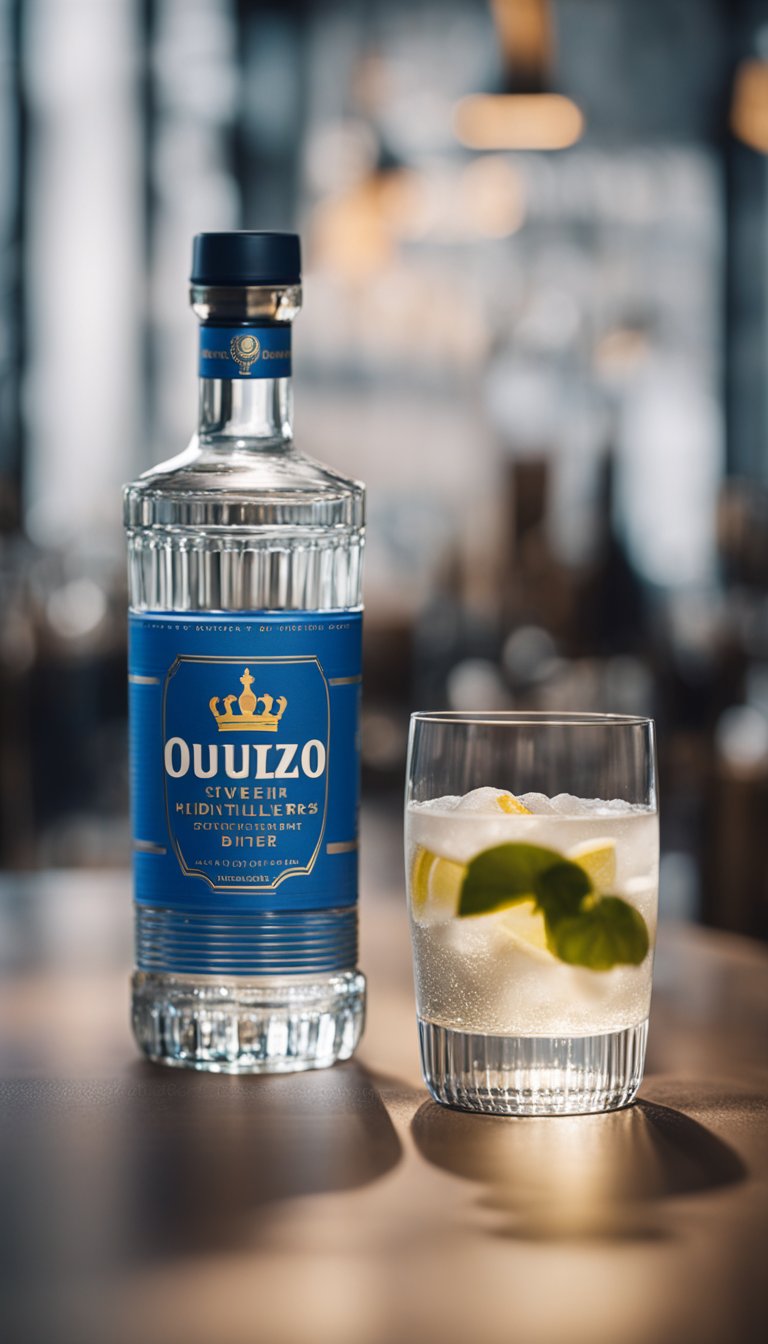
Branding and Marketing Strategies in the EU and UK Alcohol-Free Spirits
Our research into in the EU and UK market for alcohol-free spirits, we’ve found a growing demand for these innovative drinks, the rise of craft alcohol-free spirits, and the specialized consumer segments that are driving the growth of this market. Now is the time to delve into the critical realm of branding and marketing strategies that can help set your alcohol-free spirits brand apart from the rest of the market.
The Building of a Strong Brand Identity
Artistic and Authenticity
In the world of alcohol-free spirits, crafting an engaging brand identity is a must. Consumers are drawn to brands that exude professionalism sincerity, authenticity, and unwavering commitment to high-quality. To establish your brand as an industry leader Consider the following tactics:
- “Tell Your Story”: Share the story of your brand with the emphasis on the passion and commitment that go into the creation of alcohol-free spirits.
- Transparency: Be transparent about the ingredients you use, your manufacturing methods and the source. Credibility builds trust among customers.
- Visual Identity Spend money on visually appealing logos and packaging design that communicates your brand’s uniqueness and values.
Calling out to the emotions
Alcohol-free spirits tend to be associated with positive emotions like happiness, celebration, and the ability to be mindful. Take advantage of these emotions and engage your audience on a higher levels:
- Emotory Storytelling: Craft stories and marketing messages that resonate with the emotions of drinking spirits that are alcohol-free. Inspiring moments of joy relaxing, and social connection.
- Inclusive Messaging: Emphasize that your alcohol-free beverages are open to all, whether they choose not to drink, are designated drivers, or simply seek an alternative to alcohol that is healthier.
Successful Marketing Strategies
Digital Presence and Content Marketing
In the modern age of technology having a solid online presence is crucial. Make sure your brand is visible as well as engaging on various online platforms:
- website optimization You can invest in an user-friendly website that shows your items, provides in-depth information, and also the blog section for content marketing.
- Social Media Engagement: Make sure you have active social media accounts to connect with your audience, share valuable content, and launch targeted advertising campaigns.
- Education Content: Create content to educate consumers about the advantages, flavor, and versatility of your alcohol-free spirits. This could include blog post or videos as well as infographics and infographics.
Partnerships and Collaborations
Collaboration with brands that are similar to yours and influencers will increase your reach and establish credibility.
- Bartender collaborations Join forces with bartenders to create recipes for cocktails that are zero-proof by using alcohol-free spirits. These collaborations could create buzz that can draw mixologists and drink enthusiasts.
- Influencer Partnerships You can identify influencers in the wellness as well as lifestyle and alcohol-free sector who share the values of your brand. Collaboration with them will help you create authentic content and attract a larger audience.
Problem Solving and Looking Ahead
While the alcohol-free spirit market offers a wealth of opportunities but it also presents the possibility of presenting some difficulties. There are still some consumers who have misconceptions about the taste and authenticity of alcohol-free substitutes. The way to overcome these obstacles requires patience, persistence, and constant improvement.
In our next section, we’ll explore some of the key challenges in the industry, and present strategies to deal with the issues. Also, we’ll examine potential future developments for both the EU and UK spirits that are alcohol-free and look ahead to future trends that will affect the future of the market.
Keep an eye on us as we provide our readers with the wisdom and strategies required to prosper in this dynamic and exciting market.
Problèmes and Strategies for the EU and UK Alcohol-Free Spirit Market
We’ve travelled through the landscape of alcohol-free spirits throughout the EU and UK we’ve reflected on the growing popularity of the new and innovative drinks. We’ve also uncovered the key elements of branding as well as marketing strategies. Now is the time to take on the challenges brands face in the current market, and suggest strategies to deal with them.
Problems in the Alcohol-Free Spirit Industry
Consumer Falsehoods
One of the most significant challenges is that people have misconceptions about the quality and taste of spirits that are alcohol-free. A lot of people still associate these beverages with blandness or unappealing flavors. To address this issue, try the following options:
- Taste Education to educate consumers about the variety of flavors and the complexities of spirits that are alcohol-free. Set up tastings or virtual tastings to show off the quality and depth of your products.
- The Sampling Programme Give sample-sized bottles or packs, allowing consumers to try the alcohol-free spirits before committing to a full bottle purchase.
Regulatory Compliance
navigating the complex regulatory landscape surrounding the alcohol-free spirit market can be daunting. Regulations regarding labeling, distribution, and production vary by the country. You can ensure compliance by:
- Contact Legal Consultants Seek legal counsel or regulatory experts with expertise in alcohol and beverage laws to ensure your brand complies with all applicable regulations.
- Comprehensive Labeling Labels that are clear and compliant labels that accurately reflect your product’s alcohol content and ingredients.
Comparison and Differenciation
With the growing popularity of the market for alcohol-free spirits competition is intensifying. To be different:
- New Product Development Create new products by experimenting with new flavors or packaging, or unique manufacturing methods.
- Differentiation Highlight what sets your company apart, whether that’s sustainable initiatives, distinctive ingredients or a memorable tale of your brand.
Strategies for Defying Challenges
Consumer Education
An informed consumer is more likely to be open to drinking alcohol-free spirits. Look at these education strategies:
- Web Resources Create online materials that explain how your products are made, the ingredients used and possible health benefits of your product.
- customer support Offer excellent customer assistance for all inquiries and issues quickly.
Sustainability Initiatives
Consumers increasingly value sustainability. Adopt eco-friendly practices:
- Eco-Packaging Utilize sustainable packaging materials, and clearly express your commitment to sustainability.
- Local Sourcing Find ingredients locally whenever possible, which helps reduce your carbon footprint.
Collaborations, Partnerships, and Partnerships
Collaborations can expand the impact and credibility of your company. Consider:
- Retail Partnerships Create partnerships together with retailers to present your products prominently in-store or online.
- Industry Associations: Join alliances and associations in the industry to keep up-to-date with the latest developments and network with other alcohol-free spirit brands.
What’s the Future for market for alcohol-free spirits
As we address these challenges and implement strategies for overcoming these challenges, it’s important to consider the future. In the next section we’ll look at possibilities for future growth of both the EU and UK alcohol-free spirit market with a focus on emerging trends as well as opportunities that brands must keep a close eye on.
Stay tuned as we navigate the exciting and thrilling path in the future for this ever developing industry.

The Future of the EU and the UK The Alcohol Free Spirit Market: Trends and Opportunities
As we come to the end of our exploration in the EU and UK alcohol-free spirit market we cast our gaze towards the future. There are exciting future trends and opportunities are in store for brands operating in this dynamic market.
Emerging Fashions within the Alcohol-Free Spirit Market
1. Diverse Flavor Profiles
In the coming years it is likely that we will see an increase in the variety of flavor profiles to come onto the market. Taste buds of consumers are becoming more adventurous, and brands are responding with new botanical blends as well as exotic fruit infusions fragrant herbs.
2. Premiumization
The same way that the trend of premiumization affected the market for alcoholic beverages and is expected to create a similar change in the alcohol-free industry. Brands will put their money into top-quality ingredients and manufacturing techniques, offering consumers a premium experience.
3. Sustainability as a Standard
Sustainability will no longer be a distinctive selling feature, instead, it’s a normal expectation. Companies that use eco-friendly methods that include sourcing ingredients with care to using recyclable packaging, will benefit from a competitive edge.
4. Mocktail Culture
The popularity of mocktails, or drinks that are alcohol free is likely to continue. These sophisticated alternatives that are alcohol-free are making waves in restaurants and bars, providing a significant chance for alcohol-free spirits to collaborate with establishments.
Possibilities on Horizons Horizon
1. International Expansion
With the EU and UK market growing Brands should look at expanding their operations internationally. Markets in Asia and the Middle East, and North America show great promise for alcohol-free spirits.
2. Health and Wellness Partnerships
Collaborations with health and wellness brands, influencers, and other events can help alcohol-free spirit brands reach healthy consumers seeking alternatives to alcohol.
3. E-Commerce Dominance
The growing popularity of online shopping provides an excellent opportunity to increase direct-to-consumer sales. Brands must invest in user-friendly sites, online marketing and ecommerce strategies for a better grasp of this booming market.
Concluding and Recap
In this five-part series we’ve journeyed through this EU and UK liquor-free market to discover its increasing popularity in terms of branding and marketing strategies, challenges, as well as strategies to deal with these challenges. We’ve also covered emerging trends and opportunities awaiting the brands operating in this exciting industry.
The attraction of alcohol-free spirit in Europe is undisputed. Since consumers are increasingly looking for healthier, more sustainable alternatives to drinking this market continues thrive. Brands who embrace innovation quality, sustainability, and global expansion will be most likely to prosper in the years to and in the years to.
We thank you for taking us on this educational voyage through the world alcohol-free spirits. We hope this series has given you valuable information and motivation to navigate this exciting and evolving market.