Blog
EU Regulations on Alcohol-Free Drinks: A Complete Guide
in the field of beverages the phrase “alcohol-free” is gaining significant traction. A growing number of consumers are turning to non-alcoholic alternatives due to diverse reasons, including the health of their families, personal preferences or lifestyle decisions. When the desire for alcohol-free drinks increases with it, so too does the need for clear regulations that regulate the consumption of these beverages.
Understanding the importance of EU Regulations
Why You Should Be Able to
Before we begin to explore the details of EU guidelines for alcohol-free drink it’s vital to understand why this information is essential. For those who are consumers looking for trustworthy products or a maker who’s eager to adhere to standards Here’s the reason EU regulations on alcohol-free beverages are vital:
The Increasing Demand for Alcohol-Free Beverages
Alcohol-free drinks have surpassed the world of sodas and water. These days, they are numerous products that include alcohol-free beverages, such as luxurious mocktails and spirits without alcohol. As consumers seek healthier and more diverse beverage options, the demand for these types of drinks is increasing.
Health and Safety Concerns
It is a right of consumers to expect that products they consume meet stringent health and safety standards. Regulations ensure that alcohol-free beverages are produced, labeled and advertised in a manner that is focused on consumer health. They also help prevent misleading claims and safeguard those that should stay clear of alcohol due to reasons of health.
The Industry Growth and Innovation
The alcohol-free drinks market is rapidly growing, with developments that challenge the conventional rules. Producers are inventing complex flavor and textures, which resemble alcohol-based counterparts. To encourage the growth of this industry and maintain consumer trust strict regulations are necessary.
Now that you know the importance of EU regulations regarding alcohol-free beverages let’s take a look at the major regulations that govern these beverages in the following section.
H2: Essential EU Regulations for Alcohol-Free Drinks
In the next segment, we’ll delve into the core of the problem, dissecting the most important regulations that govern the world of alcohol-free beverages within the European Union. From the highest allowed alcohol content to labeling requirements to labeling requirements, we’ll help you understand the rules that producers, distributors, and the public need to understand.
Maximizing Safety and Consumer Confidence
As we begin our regulation-related journey, remember the fact that these regulations aren’t just red tape for bureaucrats. They are essential in ensuring that alcohol-free drinks meet certain standards for quality, provide clear and accurate information to customers, and contribute to an environmentally friendly and healthy beverage environment.
Let’s take a look at the intricate details of EU guidelines for alcohol-free drinks in the next section.
[Next: Section 2: Key EU Regulations for Alcohol-Free Drinks]
Your Direct Route to Non-Alcoholic Excellence: Bulk Order from Swedish Distillers!
The key EU Regulations for Alcohol-Free Drinks
In our endeavor to learn more about the complexities of alcohol-free beverages inside the European Union, we now take a look at the core of matteraEUR” matteraEUR”the regulations. These rules form the backbone which ensures that the alcohol-free drinks are safe, clear and conform to strict high-quality standards. Let’s take this regulatory journey to break down most important EU guidelines for alcohol-free beverages.
Maximum Permitted Alcohol Content
Why it is Important
The definition of “alcohol-free” hinges on the alcohol content that is permissible. In the EU in order for a drink to be labeled as “alcohol-free,” it must have a maximum of 0.5 percent in alcohol volume (ABV). This limit is critical for safety and security of the consumer, especially for individuals who wish to stay clear of alcohol completely, whether due to health, dietary, or personal reasons.
Labeling Requirements
Clearness and Transparency
EU regulations mandate that labels on alcohol-free beverages must clearly display their alcohol content. This isn’t just an issue of transparency, however, it is crucial for consumers who rely on this information. The label should prominently display the “alcohol-free” design and the exact ABV and ensure that the consumers have the ability to make educated decisions.
ingredients and additives
Quality and Quality and
To ensure the high-quality and authenticity of alcohol-free beverages EU rules set strict requirements for ingredients and other additives. The regulations guarantee that only approved substances are used in the production of these drinks. The emphasis is on keeping the quality of the product whether it’s a non-alcoholic wine, beer, or spirit.
Health Claims and Advertising
preventing false claims
EU regulations also regulate health claims and the advertising of alcohol-free beverages. These regulations are designed to protect consumers from false statements that can create false impressions about the health benefits associated with drinking these drinks. Producers must adhere to guidelines that ensure accuracy and integrity in their marketing.
Quality Standards and Safety Inspections
A rigorous testing and Quality Control
Another critical aspect of EU regulation is compliance with quality standards and security checkpoints. Producers must conduct rigorous testing and quality monitoring measures to make sure that their alcohol-free beverages meet the established standards. This is a requirement for microbiological safety, hygiene, and overall product quality.
The Compliance process and Certification
Once we’ve gained an understanding of the main EU rules for alcohol-free beverages Perhaps you’re thinking how producers and distributors ensure that they are in compliance with these regulations. The process of compliance and certification is a crucial part of making these products available for sale while adhering to EU regulations.
H2: Insuring Compliance
Navigating compliance can be a complicated process, but it is crucial for producers and distributors to ensure they are able to meet EU standards. Here are the steps to follow in the compliance process:
Testing and Analysis
Producers must carry out thorough testing and analysis of their alcohol-free beverages to make sure that they meet the specified criteria. This includes alcohol content verification as well as ingredient testing and qualitative assessments.
Documentation and Record-Keeping
Detailed documentation is a cornerstone of compliance. Producers need to maintain records of testing, ingredient source, and production processes. These records are used as proof of conformity and may be monitored by governmental authorities.
Working with Regulatory Authorities
Producers and distributors typically collaborate with regulatory authorities on compliance. This includes getting necessary certifications and approvals. This may differ based on the specific alcohol-free type of drink.
Common Challenges and Tips to Overcome These Challenges
The compliance process can be difficult particularly for small-scale producers and those who are new to the business. Common hurdles include navigating the regulatory landscape, managing costs for testing, and keeping current with changing rules. Seeking expert guidance and staying updated with the latest regulatory developments can be the key to overcoming these challenges.
In the next section we will look at the impact of these regulations on the consumer and the best way to assist them in making educated choices for alcohol-free drinks.
[Next: Section 3: the impact on consumers[Next up: Section 3: Impact on Consumers

Impact on Consumers Effect on Consumers: Navigating EU Regulations on Alcohol-Free Drinks
As we continue our journey through the realm of alcohol-free drinks and the regulations that govern them in the European Union, we come to a pivotal point of considerationaEUR”the impact of these regulations on consumers. It’s essential for consumers to understand how these regulations affect their choices and rights with regards to choosing alcohol-free beverages.
What Should Consumers Do about EU Regulations on Alcohol-Free Drinks?
Before we get into the details before tackling the specifics, it’s essential to answer the fundamental question: Why do consumers have to care about EU laws on alcohol-free drinks? Here are the key reasons:
-
Protection and Trust: Consumers deserve to be able to trust and enjoy safe products. Regulations ensure that drinks without alcohol meet specific quality and safety standards, thus reducing the risk of health risks or misrepresentations.
-
“Informed Decisions.” Regulators empower customers to make educated choices. With a better understanding of labeling requirements and information about the effects of health products, shoppers are able choose products that meet their preferences and nutritional needs.
-
Preventing False Claims: Regulations protect against misleading advertising and health claims in order to protect consumers from falling in the path of misleading marketing tactics.
Now, let’s dive into how EU regulations impact consumers:
Reading Labels and Understanding Claims
The clarity of labeling
One of the easiest ways consumers are affected by EU regulations is through the labeling of products. If you purchase an alcohol-free drink in the EU the label should provide clear and accurate information. Here’s the information you should look for:
-
Alcohol Content: It is a requirement of the regulations that labeling should display the exact amount of alcohol in the product generally expressed as Alcohol by Volume (ABV). This enables consumers to be sure they are genuinely alcohol-free, and that it meets the EU’s 0.5% ABV threshold.
-
“Alcohol-Free” Label: It should be prominently display the “alcohol-free” designation, so that consumers are able quickly recognize these products.
-
Listes of Ingredients Regulators require complete ingredient lists, which help people who have dietary restrictions or allergies make educated choices.
-
“Health” claims Avoid statements on health claims printed on labels. Regulations are in place to prevent false statements, so consumers can trust that the product’s health benefits are accurate.
Notifying Non-Compliance
Consumer Rights and Accountability
Consumers also have a stake in respecting EU regulations on alcohol-free drink. When a label on a beverage appears incorrect or you believe that the product is in that the product is not in compliance with regulations, you can file a complaint. The reporting of non-compliance is helpful in maintaining credibility of market as well as holds the producers accountable.
The Resources For Consumers
As well as reporting violations Consumers can also seek guidance from several resources to help them:
-
Consumer Associations: Many consumer organizations monitor compliance with products and can provide information and assistance.
-
Examination Authorities It is possible to contact the regional or national regulatory authority for guidance and to report concerns.
-
Online communities Engaging with online forums and communities may provide insight and advice from fellow users who are interested in the same things as you.
Understanding the way EU regulations affect consumers empowers consumers to make better choices and improve the quality of the alcohol-free drink market. In the next segment we’ll discuss the future developments in this ever-changing market, and what consumers should expect in the world of alcohol-free beverages.
[Next: Section 4: Future Trends and Conclusion[Next up: Section 4: Future Trends and Conclusion

Future trends to be found in the World of Alcohol-Free Drinks
As we work through the intricate details of EU guidelines on alcohol-free drinks and their effect on consumers they must also be aware of the future developments in this ever-changing space. The market for alcohol-free drinks is growing rapidly and is undergoing rapid innovation caused by changes in consumption habits and health-conscious choices.
What is the significance of future trends?
Becoming aware of trends in the near future isn’t solely a matter curiosityaEUR”it’s vital for producers as well as consumers. In the case of producers, keeping ahead of the curve means meeting evolving demands of the market and regulatory changes. For consumers, this means getting access to a growing variety of health-conscious and innovative choices for beverages.
1. Increased Variety of Products
Beyond the Basics
A world filled with alcohol-free drinks is no longer limited to the traditional choices of soda and sparkling water. Producers are constantly increasing their range of products so that consumers can enjoy a wider selection of choices, such as:
-
Alcohol Free Beer The products become more sophisticated, with flavor and aromas that match their alcohol counterparts.
-
Wine Alternatives: Wines that are alcohol-free have been growing in popularity, allowing consumers the taste and experience of wines that are alcohol-free.
-
Alcohol-Free Spirits: Mocktails and alcohol-free spirits are in the rising, allowing customers to experience complex flavors and cocktails with no alcohol.
2. Innovative Ingredients and Flavors
Modifying Complexity
Producers are investing in the research and development process to produce non-alcoholic drinks that recreate the distinctive flavors and sensations of alcoholic drinks. This means experimenting with botanicals, herbs, and spices to create distinct profiles.
-
Botanical Infusions: Alcohol-free gin and botanical spirits are made up of a wide range of botanicals to create unique taste experiences.
-
Methods of Distillation: Certain producers employ distillation techniques to extract flavor without alcohol which results in sophisticated alcohol-free spirits.
3. Health and Wellness Focus
In line with Consumer Values
Consumer demand for health-conscious products is causing producers to concentrate on health and wellness aspects. This means highlighting nutrition information, organic ingredients and the benefits of wellness.
-
Low Sugar and Calories: A lot of alcohol-free drinks are made to be low in calories and sugar. They are also geared to the health-conscious consumer.
-
Practical Ingredients Companies are using functional ingredients such as adaptogens, vitamins, and antioxidants, to boost the wellness product.
4. Sustainability and Eco-Friendly Practices
Meeting Environmental Concerns
Sustainability is an increasing concern and the food industry is responding by implementing eco-friendly practices. This includes sustainable sourcing of raw materials, eco-friendly packaging, and less carbon footprints.
-
Plastic Recyclable: Many alcohol-free brands choose to use recyclable or biodegradable packages to minimize environmental impact.
-
Ethical Sourcing: Producers are becoming more transparent about where they get their ingredients and making sure they are in line with ethical and sustainable standards.
5. Learning and Consumer Empowerment
Informed Choices
As the alcohol-free beverage landscape evolves, consumer education becomes important. The producers are investing tools that help consumers comprehend their products, which includes:
-
Online Resources: Social media and websites offer information about the ingredients used in products, health benefits, and food suggestions.
-
Cocktail Events Producers may host tastings and workshops to instruct consumers on how they can drink alcohol-free beverages to the fullest.
Understanding these new trends enables consumers to make informed choices with their own values and preferences. In the next part this article, we’ll highlight the main learnings and how the alcohol-free drink market continues to influence the choices of consumers and their experiences.
[Next step: Section 5: Summary and Looking forward[Next up: Section 5: Summary and Looking Forward
Summary and Looking Forward: Finding the EU Regulations on Alcohol-Free Drinks
As we conclude our comprehensive review of EU regulations pertaining to alcohol-free drinks and their profound effect on both the industry and consumers, it’s essential to recap the key findings from each of the sections and look forward to the next chapter within this dynamic environment.
Section 1: Affirmation of EU Regulations
In the first chapter of our travels, we delved into the most fundamental aspects of EU regulations on alcohol-free drinks. The key points to take away:
-
EU Regulations Ensure Safety: These regulations are designed to ensure safeness and high-quality of alcohol-free beverages making sure that people can enjoy these drinks without the risk of health problems.
-
The clarity of the labeling Consumers can have confidence in the clear and precise labels to distinguish alcohol-free beverages and know their ingredients and health claims.
-
Legal Rights of Consumers consumers have the right to make a complaint about any violation of regulations, contributing to a trustworthy and accountable market.
Section 2: Production and Compliance
The second section we looked into the production and legal aspects of alcohol-free beverages:
-
Producing Standards The producers must conform to strict standards, such as the 0.5 percent ABV limit for alcohol-free classification.
-
The testing process and the certification They go through a rigorous testing to ensure they conform to regulatory requirements.
-
Important to be in compliance: The compliance with the regulations is necessary to avoid penalty and maintain consumer trust.
Section 3: Influence on Producers and Market
Our third section was focused on the effects of regulations on the marketplace and producers:
-
Growing Market: A growing need for alcohol-free beverages is on the increase, driven by health conscious customers and new product offerings.
-
Innovation and Competition: Producers are continually making improvements to meet consumer needs leading to a diverse variety of alcohol-free options.
Section 4: Future Trends
In the final part, we looked at the future trends shaping the world of alcohol-free drinks:
-
Expanding the Variety of Products: Consumers can expect an increase in the variety of non-alcoholic beverages, and even more modern alternatives to traditional drinks.
-
Innovations in Flavor and Ingredients Producers are investing in making complex flavors more accessible, while also improving the drinking experience.
-
Health and Wellness Focus: Health-conscious consumers will discover products that fit their food preferences and their wellness goals.
Section 5 Overview and Looking Forward
In this section, we’ve examined the critical insights from our exploration of EU regulations regarding alcohol-free drinks. These insights empower both producers and consumers to navigate the changing regulations efficiently.
As we look forward toward the future of alcohol-free drinks is bound to grow and new developments. There is a constantly growing choice of drinks that cater to their various tastes, choices, and opinions. Producers, for their part, need to remain alert in adhering to rules and regulations while also embracing the opportunities created by this changing market.
In conclusion, understanding EU rules on alcohol-free beverages isn’t only a matter to be in compliance but also ensuring the security of choice, transparency, and security that consumers are entitled to. With a brighter future to come the market for alcohol-free beverages is a great place for consumers to explore flavors, savor and lift their glasses for a healthier, more tasty taste.
We appreciate you joining us on this journey into our world of non-alcoholic drinks and EU rules. Here’s to a future filled with exciting and responsible beverage alternatives.
“End Series]
Intense EU and UK sales of Non-Alcoholic Vodka: A Deep Dive
In recent times, the European Union (EU) and the United Kingdom (UK) have seen a dramatic increase in the sale of vodka that is not alcoholic. This trend is changing the drinks industry as increasing consumers are seeking alternative drinks that are alcohol-free without compromising the essential qualities of their favorite spirits. In this detailed exploration we’ll take a deeper dive into an area of liquor that isn’t alcoholic vodka and discover the reasons behind its reasons for the huge rise in popularity.
What is the exact definition of Non-Alcoholic Vodka?
Non-alcoholic Vodka, sometimes described as “alcohol-free vodka” or “spirit alternative,” is a beverage designed to mimic the taste and aroma of traditional vodka without alcohol content. It’s made using a mixture with herbs, botanicals in addition to other ingredients which closely mimic the characteristics of traditional vodka. The result is a drink that offers the familiar vodka flavor but without the intoxicating effects.
The Appeal of Non-Alcoholic Vodka
The rising interest in non-alcoholic vodka is due in a variety of ways. The first is that the health and wellness trends sweeping across EU and UK have led consumers to make more mindful choices when it comes to their beverages. Non-alcoholic vodka is perfectly in line with these changes, allowing people to enjoy the taste of vodka without having the negative health impacts associated with alcohol consumption.
Additionally, the younger generations such as Millennials and Generation Z, are driving this shift. These groups of people are more mindful of their health, and are increasingly opting for alcohol-free alternatives. Because of this, non-alcoholic vodka is now the preferred option for large segments of the population.
Recent market research supports this trend, indicating that there is a significant rise in sale of spirits that are not alcoholic, including vodka substitutes. People are constantly seeking these options, both at physical stores and online, as they look for satisfying alternatives to traditional alcoholic beverages.
As we move on with our research, we’ll delve deeper into aspects that are driving the growth of non-alcoholic vodkas in the EU as well as the UK. In the coming section we’ll examine the key role played by health-related and wellness in the growing popularity of this unique non-alcoholic spirit.
The Appeal of Non-Alcoholic Vodka
The appeal to non-alcoholic booze is multifaceted and resonates with those who are more conscious of their health and conscious of their drinking routines. We’ll take a closer glance at why this movement is becoming popular.
The latest trends in health and wellness
The movement for health and wellness has seen significant growth in recent years. The population is increasingly aware about the consequences of their dietary choices, including the beverages they consume. This awareness has led to a significant shift in preferences with many seeking alternatives that let them take pleasure in the flavors they enjoy without compromising their overall health.
Non-alcoholic vodka is a perfect fit for the health-focused mindset. It provides an option for those who wish to savor the taste of vodka cocktails without the detrimental health effects associated with alcohol. This trend has numerous consumers including fitness enthusiasts who want to keep their active lifestyles or to be more mindful of their choices for health.
Statistics and Data
Recent surveys and market research in Europe, the EU and UK reveal the increasing desire for alcohol-free spirits. The consumers aren’t just intrigued by these spirits however, they are actively incorporating them into their lifestyles. Studies show that there is a steady growth in the sales and consumption of non-alcoholic spirits like vodka and other alternatives.
In the next segment this article, we’ll investigate how changing consumer preferences, especially among younger generations, contribute to the increasing popularity of non-alcoholic spirits in the market.
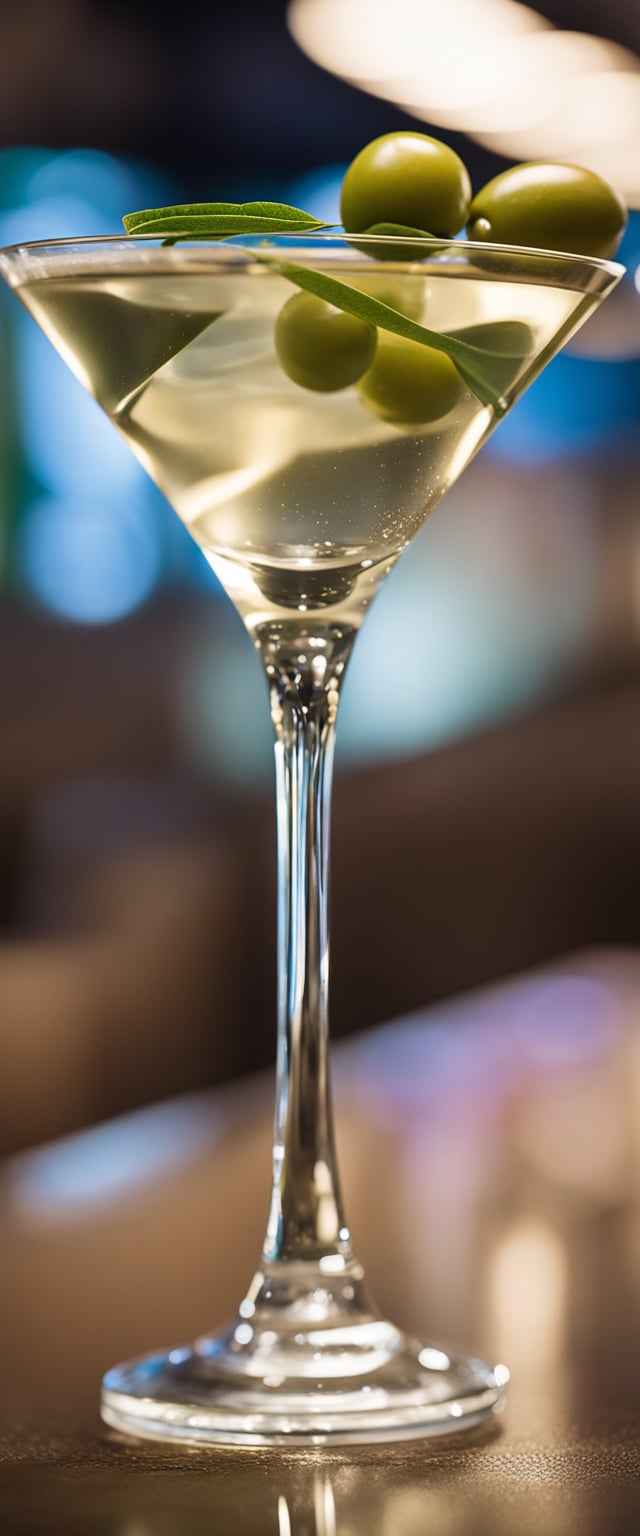
Non-Alcoholic Vodka, a Game-changer for consumers who are concerned about their health.
In the preceding section, we delved into the realm of alcohol-free spirits, learning the reasons behind why it’s growing in popularity across it’s home countries of the European Union (EU) and the United Kingdom (UK). We’ll continue our study of this fascinating trend we’ll now turn our attention on the reasons behind the growth of non-alcoholic vodka both in the EU and UK regions. Particularly, we’ll investigate the central role played by wellness and health trends in the increasing demand for this particular alternative spirit.
The Health and Wellness Revolution
The rise of non-alcoholic vodka around the EU and UK can be largely attributed to the movement towards health and wellness that’s spreading across the drink industry. Consumers, specifically Millennials as well as Generation Z, are increasingly aware of their health and make more conscious decisions about their drinks.
A healthy alternative
Non-alcoholic vodka provides a compelling choice for those looking to relish the flavours that vodka has without the adverse consequences for health that come with drinking alcohol. This fits perfectly with general trend in health and wellness that have people looking for alternatives to enjoy their favorite drinks without compromising their health.
Active Lifestyles and Fitness Enthusiasts
If you are a fitness enthusiast or determined to maintain active lifestyles non-alcoholic vodka is a game changer. It caters to the need for a drink which complements the health-conscious lifestyles they are accustomed to. If it’s a post-workout party or a refreshing drink at a wellness retreat, non-alcoholic vodka is the perfect solution.
Wellness-Driven Consumers
Consumers who prioritize wellness are currently incorporating non-alcoholic alcohol in their daily diets. This population sees it as a positive choice that supports their overall health and supports their overall health and well-being objectives. The absence of alcohol makes it a more secure and attractive option for those who wish to enjoy the experience of drinking vodka cocktails.
Market Statistics Reconfirm the trend
Market data in countries like the EU and UK shows the increase in demands for alcohol-free spirits, for example, vodka alternative. Statisticians show a constant rise in sales as well as consumption of these products. These numbers support the notion that wellness and health are significant driving forces behind the increasing popularity of non-alcoholic alcohol.
In the coming section, we’ll explore the evolving preferences of consumers, particularly among younger generations and how those preferences can contribute to the change in the market. Understanding these changes is key for understanding the larger implications of this trend.
The Changing Landscape of Consumer preferences
In the last few years, there has been an obvious shift in consumer preferences, notably among younger generations. Millennials are and Generation Z are at the forefront of this shift and are redefining what it means to drink.
Mindful Consumption
Younger consumers are much more conscious of the amount they drink. Many have seen the consequences of alcohol consumption in their older counterparts and are determined to avoid the same errors. This is why they’re searching for alcohol-free alternatives that let them enjoy parties without the negative side effects of drinking alcohol.
The Experience Economy
Another significant change is appearance of the “experience economics.” The younger generations value experiences over possessions. For them, going out and having a good time doesn’t necessarily require alcohol. They are instead looking for interesting experiences, and alcohol-free vodka fits right into the story.
“The Rise of Mocktails
Mocktails, also referred to as non-alcoholic drinks are becoming increasingly popular in the younger generation of consumers. These elegant drinks, which are alcohol-free, do not only serve as a substitute for traditional cocktails; they are considered to be an original and enjoyable experience all in their own in their own.
What’s Next?
As we’ve seen recent trends in health and wellness and evolving consumer preferences are causing the growth of non-alcoholic vodka in the EU as well as the UK. In the next article we’ll take a look at the financial effects of this trend as well as its effect on the beverage industry and its potential for innovation and growth.
Direct Deals for Discerning Businesses: Swedish Distillers Offers Premium Alcohol-Free Spirits!
The Economic Impact of Non Alcoholic Vodka Growth of the Market
In our journey through the world of non-alcoholic spirits, we’ve explored the history behind this fascinating trend, and also discovered the significance of health and well-being in its rise in markets like the EU and UK markets. Now, in the third installment of our series we delve into the economic impact of this phenomenon.
In the Market Rise
The market for non-alcoholic vodka for the EU and UK isn’t a niche market. It’s a growing market segment that has attracted the attention of both consumers and industry players. Let’s have a look at how this sector is affecting the economy.
Surging Sales
The sales of non-alcoholic vodka have been steadily increasing showing a strong and growing market. This isn’t a sporadic trend but rather a constant demand, which reflects people’s shift in preferences. The economic impact of this growth is substantial, contributing to the overall revenues to the spirits sector.
Intensely Increasing Consumer Base
Non-alcoholic vodka has expanded the consumer base for spirits. It is appealing to not just those who choose to stay away from alcohol, but also consumers seeking a diverse choice of options. The expansion of the customer base is reflected in the increased markets and, consequently positively impacting the economy.
Investment and Innovation
The increasing demand for non-alcoholic alcohol has driven companies to invest in research and development. They’re trying to design innovative products that cater to the sophisticated tastes of consumers. This investment in innovation is not just improves the quality of products but also stimulates an increase in business growth within the beverage industry.
Employment Opportunities
As the market grows also the demand for skilled laborers in various sectors of the industry. From production and distribution to marketing and sales the increasing popularity of non-alcoholic vodka opens up employment opportunities and also contributes to job growth.
Sustainability Considerations
Non-alcoholic production of vodka often has an enviable carbon footprint in comparison to traditional vodka production, where fermentation and distillation are involved. This is in line to the growing concern for environmental sustainability making non-alcoholic vodka an appealing choice for environmentally conscious buyers.
What Lies Ahead
As we’ve observed, the economic effect of non-alcoholic liquor in the EU and UK is enormous and multi-faceted. The market is expanding and sales are increasing and it’s creating new employment opportunities, while also aligning with sustainability objectives. In the following section we’ll examine how the trend of non-alcoholic vodka is generating new ideas and what consumers can anticipate in terms of product variety and quality.

New developments in Non-Alcoholic Vodka: What’s on the Horizon
Through our study of the market for non-alcoholic vodka we’ve explored its earliest roots while analyzing the impact on wellness and health-related trends, and scrutinized its economic consequences. In the next part of our series, we take a look at the world that is awash with innovation and see what it will bring to this fascinating portion of the drinks industry.
Making Innovative Alternatives
One of the most fascinating aspects of the non-alcoholic trend in vodka is its constant search for producing unique alternatives to traditional alcohol-based spirits. We take a look at the world of innovations that are changing the way that non-alcoholic vodka is being marketed.
Advanced Distillation Techniques
Master distillers are investigating advanced distillation techniques, which allow them to create non-alcoholic spirits with complex aromas and flavors. These techniques require the elimination from alcohol while maintaining all the essential characteristics of herbs and grains used in traditional vodka production.
Flavor Diversity
Non-alcoholic vodka is no longer just a taste in traditional vodka. It’s evolving into a new category of its own including flavors that go beyond the standard vodka profile. You can expect a variety of choices, ranging from fruity infusions to herbal blends.
Transparency and Authenticity
The public is increasingly looking for transparency and authenticity in their beverages. Innovations in the non-alcoholic vodka space are responding by providing comprehensive information on their sources the methods of production and ingredients, so that consumers are aware of exactly what they’re drinking.
Sustainable Practices
The eco-conscious trend has made its way into the spirits industry, alcohol-free vodkas are at the forefront of this trend. Environmental practices, such that using organic ingredients, and utilizing green packaging, are being adopted as standard practices in this market.
In response to consumer demands
Innovation in the market for non-alcoholic vodka isn’t only driven by a desire for the latest and greatest. It’s heavily rooted in satisfying the needs of customers who want better choices regarding their health, taste preference, and ethical standards.
Health and Wellness
Consumers are increasingly health-conscious, which extends to their choices of beverages. Non-alcoholic vodka, due to its lower calories and absence of alcohol, has a perfect fit with the wellness and health movement.
Lifestyle Choices
With more and more people embracing a sober or low-alcohol lifestyle alcohol-free vodka can be an appealing choice. Be it for drivers who are designated as well as pregnant women or anyone wanting to have drinks without the buzz, non-alcoholic vodka caters to various lifestyles.
Social Responsibility
The responsible consumption of alcohol is a growing problem across the world. Non-alcoholic vodka is an obvious example of social responsibility offering a viable alternative to allow individuals to join in events without the harmful side effects of alcohol.
What Lies Beyond
In the next segment of this series, we’ll examine how non-alcoholic vodka impacts on consumer preferences and the drink industry as a whole. We’ll examine the shifting preferences of consumers and what impact they have on the market.
The Future of Non-Alcoholic Spirits: A Five-Part Journey
In this five-part program, we’ve embarked on a journey through the world of non-alcoholic spirits, specifically focusing on the fascinating realm that is non-alcoholic vodka. From its earliest beginnings to the revolutionary future it has been a fascinating look at different aspects of this rapidly growing sector. We’re wrapping up this series for the year, let’s pause to review our experience and contemplate the future for non-alcoholic spirits.
Part 1: A Glance into the Past
In the beginning of this series we delved into the history of non-alcoholic spirits and their earliest origins. We realized that the concept of alcohol-free alternatives to traditional spirits is not as novel as it may seem. No matter if it was to aid in healing reasons or just as drinks Non-alcoholic spirits have been a part of human culture for a long time.
Part 2: Health and Wellness Trends
In the second part, we looked at how health-related and lifestyle trends have changed the beverage industry, including the rising popularity the popularity of alcohol-free vodka. We also explored the shifting perceptions towards alcohol, the demand to make healthier choices, and how these trends impact on the choices of consumers.
Part 3 The Economic Implications
Our trip was concluded with an in-depth analysis of the economic impact on the market for non-alcoholic drinks. We explored the reasons behind its growth, such as the growing population of consumers as well as the massive investment being poured into this sector. We also considered the possible challenges and opportunities ahead.
Part 4: New innovations in Non-Alcoholic Vodka
The fourth and final installment of our series explored the world of innovation in non-alcoholic vodka production. We explored advanced distillation processes and the variety of flavor along with transparency in production as well as sustainability practices that are creating the future of this business.
Fifth Part: What Lies Beyond
In this chapter, we discuss the future of non-alcoholic spirits. As the market continues evolving, several key trends and developments are likely be influencing its direction.
A shift in consumer preferences
The consumer is becoming more sophisticated and concerned about their health. The desire for non-alcoholic spirits that are in line with their preferences is likely to grow. Be prepared for a wider variety of flavor profiles and flavors catering to a wide range of tastes.
Ethical and Environmental Considerations
Ethical sourcing and environmental sustainability are no longer a luxury in the industry of drinks. Spirit brands that are non-alcoholic and adhere to these principles are bound to prosper and consumers will increasingly choose brands that adhere to these standards.
Expanding Market Reach
The market for non-alcoholic spirits will continue to grow beyond the specialized market. Since more and more people are seeking alternatives to traditional alcohol for a variety of reasons, the market will expand to meet the needs of more people.
An ongoing journey
Our exploration of non-alcoholic drinks is just a glimpse into an industry that is rapidly changing. As we leave this collection, we’re able to see that the adventure isn’t finished. the future of alcohol-free spirits is filled with many exciting possibilities and we’ll be on hand to continue exploring the mysteries.
Conclusion
In the realm of non-alcoholic spirits and particularly non-alcoholic vodkas, is experiencing an era of revival driven by changing customer preferences, a new approach and ethical issues. As we end this five-part series, we’re reminded this process isn’t over, and that the future is packed with potential. If you’re a curious customer or an avid advocate for the industry, be on the lookout for the amazing changes that are to come for non-alcoholic beverages.